Topics
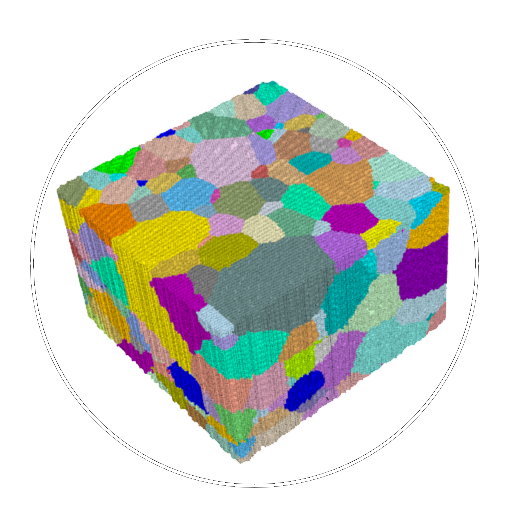
Diffraction microstructure imaging

Canada
Twenty-Seventh Congress and General Assembly (IUCr2026)
-
In Calgary
On behalf of the International Union of Crystallography (IUCr), it is with immense excitement and joy that we cordially extend our warmest invitation to you to join the IUCr for the Twenty-Seventh Congress and General Assembly, set to be held in the magnificent city of Calgary, located in the heart of Alberta, Canada from August 11th-18th, 2026.
Calgary, a city renowned for its breathtaking natural beauty and warm hospitality, has been chosen as the host for this remarkable occasion. Nestled amidst stunning landscapes and boasting a rich cultural heritage, this vibrant metropolis promises to provide an unforgettable experience for all attendees.
Poland
67th Polish Crystallographic Meeting
|
In Wroclaw
The Scientific Session of the Young Crystallographers Section of PCrA is a forum for exchanging experiences addressed primarily to students, PhD students and young doctors (maximum 5 years after defense).
The topics of the Meeting include basic and applied research on the ideal and real structure of crystals carried out with the use of X-ray radiation obtained both with traditional methods and in synchrotrons, research with the use of neutrons and electrons, problems of symmetry, phase transformations and crystal growth, new research and computational methods and all other aspects of crystallography. The conference is an annual meeting place and a forum for exchanging ideas of all Polish crystallographers.
During the inauguration of the 67th Polish Crystallography Meeting, the winners of the National Crystallography Olympiad will be decorated: http://olimpiadakrystalograficzna.pl.
Germany
16th XTOP Biennial Conference on High-Resolution X-Ray Diffraction and Imaging
-
In Karlsruhe
The first XTOP conference was held in Marseille in 1992. With an initial focus on X-ray topography andhigh-resolution X-ray diffraction, the conference has always combined aspects of X-ray scattering and X-ray imaging. Over time, other related topics such as X-ray phase-contrast imaging, tomography and microscopy, and various scanning X-ray imaging techniques have been added.
Today, XTOP brings together scientists working on X-ray diffraction, reflection, grazing-incidence scattering, standing-waves, coherent diffraction, and ptychography techniques, as well as X-ray microtomography, microscopy and other imaging techniques based on phase, diffraction, scattering, or spectroscopic contrasts.
XTOP is a leading scientific conference on instrumentation, methods, and applications of laboratory and synchrotron-based X-ray diffraction and imaging techniques.
Important Dates
- Opening for the submission of abstracts: March 23, 2026
- Deadline for submission of abstracts: May 4, 2026
- Opening of the registration: beginning of April 2026
- Early bird registration deadline: June 8, 2026
- Deadline for late registration: August 3, 202
France
School and Conference on Analysis of Diffraction Data in Real Space
-
In Grenoble
The ADD2026 School and Conference aim to deepen the understanding and to further the training of the various communities working with real-space data analysis methods in neutron and x-ray diffraction. The Fourier transformation of total-scattering diffraction data from reciprocal space into real space produces a Pair-Distribution Function (PDF) that represents a model-independent "snapshot" of the short-range atomic structure within the sample. The PDF(r) thus probes both static and dynamic local atomic correlations (as well as local magnetic spin correlations in the case of neutron diffraction). The measured PDF(r) can then be modelled or simulated using various software packages. These so-called "PDF-analysis" methods are therefore complementary to the well-known Rietveld method of refining diffraction data in Q-space that however provides only a space-time averaged picture of the sample's structure.

Italy
International Workshop on Powder Diffraction - IWPD2025
-
In Bari
This intensive three-day workshop offers a thorough introduction to modern powder diffraction techniques, combining theoretical foundations with practical applications. The program is designed for graduate students, researchers, and professionals aiming to deepen their understanding and hands-on skills in phase identification, quantitative analysis, and structure determination using powder X-ray diffraction data.
The course begins with the fundamental principles of powder diffraction and qualitative phase analysis, including the use of databases and software (PDF-5+, JADEPro and Qualx2.0). Day 2 focuses on quantitative phase analysis, structure solution, and Rietveld refinement, supported by guided exercises using EXPO and TOPAS software. The final day explores advanced topics such as total scattering, Pair Distribution Function (PDF) analysis, and microstructural characterization through size-strain analysis.
Throughout the course, participants will engage in practical sessions aimed at developing autonomy in data interpretation, profile fitting, and structure modelling using widely adopted software packages in the field.

Italy
International Workshop on Powder Diffraction - IWPD2025
-
In Bari
This intensive three-day workshop offers a thorough introduction to modern powder diffraction techniques, combining theoretical foundations with practical applications. The program is designed for graduate students, researchers, and professionals aiming to deepen their understanding and hands-on skills in phase identification, quantitative analysis, and structure determination using powder X-ray diffraction data.
The course begins with the fundamental principles of powder diffraction and qualitative phase analysis, including the use of databases and software (PDF-5+, JADEPro and Qualx2.0). Day 2 focuses on quantitative phase analysis, structure solution, and Rietveld refinement, supported by guided exercises using EXPO and TOPAS software. The final day explores advanced topics such as total scattering, Pair Distribution Function (PDF) analysis, and microstructural characterization through size-strain analysis.
Throughout the course, participants will engage in practical sessions aimed at developing autonomy in data interpretation, profile fitting, and structure modelling using widely adopted software packages in the field.
France
School and Conference on Analysis of Diffraction Data in Real Space
| - |
In Grenoble
Italy
International Workshop on Powder Diffraction - IWPD2025
| - |
In Bari
This intensive three-day workshop offers a thorough introduction to modern powder diffraction techniques, combining theoretical foundations with practical applications. The program is designed for graduate students, researchers, and professionals aiming to deepen their understanding and hands-on skills in phase identification, quantitative analysis, and structure determination using powder X-ray diffraction data.
The course begins with the fundamental principles of powder diffraction and qualitative phase analysis, including the use of databases and software (PDF-5+, JADEPro and Qualx2.0). Day 2 focuses on quantitative phase analysis, structure solution, and Rietveld refinement, supported by guided exercises using EXPO and TOPAS software. The final day explores advanced topics such as total scattering, Pair Distribution Function (PDF) analysis, and microstructural characterization through size-strain analysis.
Throughout the course, participants will engage in practical sessions aimed at developing autonomy in data interpretation, profile fitting, and structure modelling using widely adopted software packages in the field.

Germany
16th XTOP Biennial Conference on High-Resolution X-Ray Diffraction and Imaging
| - |
In Karlsruhe
The first XTOP conference was held in Marseille in 1992. With an initial focus on X-ray topography andhigh-resolution X-ray diffraction, the conference has always combined aspects of X-ray scattering and X-ray imaging. Over time, other related topics such as X-ray phase-contrast imaging, tomography and microscopy, and various scanning X-ray imaging techniques have been added.
Today, XTOP brings together scientists working on X-ray diffraction, reflection, grazing-incidence scattering, standing-waves, coherent diffraction, and ptychography techniques, as well as X-ray microtomography, microscopy and other imaging techniques based on phase, diffraction, scattering, or spectroscopic contrasts.
XTOP is a leading scientific conference on instrumentation, methods, and applications of laboratory and synchrotron-based X-ray diffraction and imaging techniques.
Important Dates
- Opening for the submission of abstracts: March 23, 2026
- Deadline for submission of abstracts: May 4, 2026
- Opening of the registration: beginning of April 2026
- Early bird registration deadline: June 8, 2026
- Deadline for late registration: August 3, 202
Poland
35 European Crystallographic Meeting
|
In PoznaÃ...„
 At the XXV Congress and General Assembly of the International Union of Crystallography in Prague, it was decided that the 35th edition of the European Crystallographic Meeting would be held in Lviv, Ukraine, in 2025.
 Unfortunately, there is a war in Ukraine, and it is not reasonable to organize a great scientific event in Lviv in 2025. An alternative was thus elaborated where, thanks to a collaboration between the Ukrainian Crystallographic Committee and the Polish Crystallographic Association, the conference site will be Poznan, a city in neighbouring Poland.
Brazil
Synclight 2024 - São Paulo School of Advanced Science on 4th Generation Synchrotron Techniques
|
In Campinas
Promoted by CNPEM and funded by São Paulo Research Foundation (FAPESP), SyncLight 2024 aims to gather young researchers from Brazil and around the world to discuss the recent opportunities offered by advanced experimental synchrotron techniques available at Sirius, the Brazilian 4th generation light source.
Over the past decades, synchrotron light sources have played a significant role in the development of modern natural sciences and engineering. With a wide range of experimental techniques available, synchrotron light sources have revolutionized the way scientists study and characterize materials in the fields of Physics, Chemistry, Biology, Health, Energy, New Materials, Environmental Sciences, and many others.
The interdisciplinary nature of the event, combined with the collaboration of the LNLS User Committee, which includes researchers from various institutions across Brazil, will contribute to the exchange of experiences among young researchers, professors, and experienced researchers. The event's program includes lectures, poster sessions, and guided tours at the facilities will also be organized. Tutorials on experiments conducted, demonstrations on the control of the accelerators, as well as data analysis and simulations taught by LNLS researchers, at the laboratory's beamlines, are also planned.
The theme is particularly relevant to the Brazilian scientific scenario, as Sirius is one of the most modern and brilliant synchrotron light sources in the world. Currently, ten beamlines are open to the scientific and technological community, out of a set of 14 initially planned to cover a wide range of scientific programs. One of the objectives of SyncLight 2024 is precisely to assist in the training and formation of a new generation of user-researchers, capable of benefiting from this large scientific infrastructure in operation in Brazil.
SyncLight 2024 is part of the São Paulo School of Advanced Science (SPSAS) modality, funded by FAPESP, which provides resources to promote short courses in different areas of knowledge in the State of São Paulo.

Italy
18th European Powder Diffraction Conference (epdic18)
| - |
In Padova
The EPDIC Conference is the biennial meeting dedicated to all aspects of the analysis of polycrystalline materials by diffraction methods. It brings together experts from universities, research institutes and instrumentation companies to share their knowledge and discuss the current trends and challenges in powder diffraction.
In agreement with the traditional character of this Conference, EPDIC18 will yield an exciting scientific program that will cover a broad range of hot traditional and new topics interesting to the powder community.
The Conference will be held in Padova, at the Padova Congress Centre on behalf of AIC. It will be organized in synergy with ECM34, which will precede EPDIC18 in the same location.
Italy
ECM-34. European Crystallographic Meeting
| - |
In Padova
The flagship of the European Crystallographic Association (ECA) activities is the European Crystallographic Meeting (ECM), held every year, except when there is an IUCr Congress. The ECMs are the main meeting point for crystallographers in the ECA area to show their recent research. Microsymposia at ECMs are proposed and organized by ECA SIGs.
ECM 34 will be organized at the Padova Congress Centre on behalf of ECA and AIC. It will include all topics of interest to crystallography and it will be organized in synergy with EPIDC 18, which will follow ECM 34 in the same location.
Germany
10th Anniversary Meeting of the Young Crystallographers
|
In Hamburg, Germany
The Young Crystallographers are a working group within the German Society for Crystallography (DGK). For 10 years, we meet regularly in autumn at different universities or the STOE facilities.
These meetings specifically aim to provide a platform for networking and scientific exchange for young scientists with an interest in crystallography, as well as to establish contacts with industry and research institutions.
We want to give young scientists the opportunity to gain early experience in scientific presentation in a relaxed atmosphere and without the stress of a larger conference.
For our grand anniversary, we are happy to meet at the DESY facilities! We are working hard to allow you deep insights as well as a great overview of the possibilities at this large-scale facility.
During the 3-day meeting, you willÂ
- present your own work as a poster (A0 portrait) and lightning talk (~5 min.)
- have the DESY campus tour
- participate in an experiment and get a hands-on experience at a beamline of your choice at PETRA III (see The Experiments)
- hear academic talks from senior scientists
- hear industry talks from our sponsors/partners
At the end of the meeting, you will also have the chance to join a tour of the European XFEL Campus. If you intend to participate, please indicate so during registration. Note that you will need to get to the XFEL facilities by public transport as it is a bit outside the main DESY campus.
The registration fee of 60 € includes the tours and experiments at DESY, coffee breaks as well as lunch and BBQ on Thursday.
Deadline for registration is 22.08.23.
Canada
7th Microscopy characterisation of organic-inorganic interfaces meeting
|
In McMaster University, Hamilton, Canada
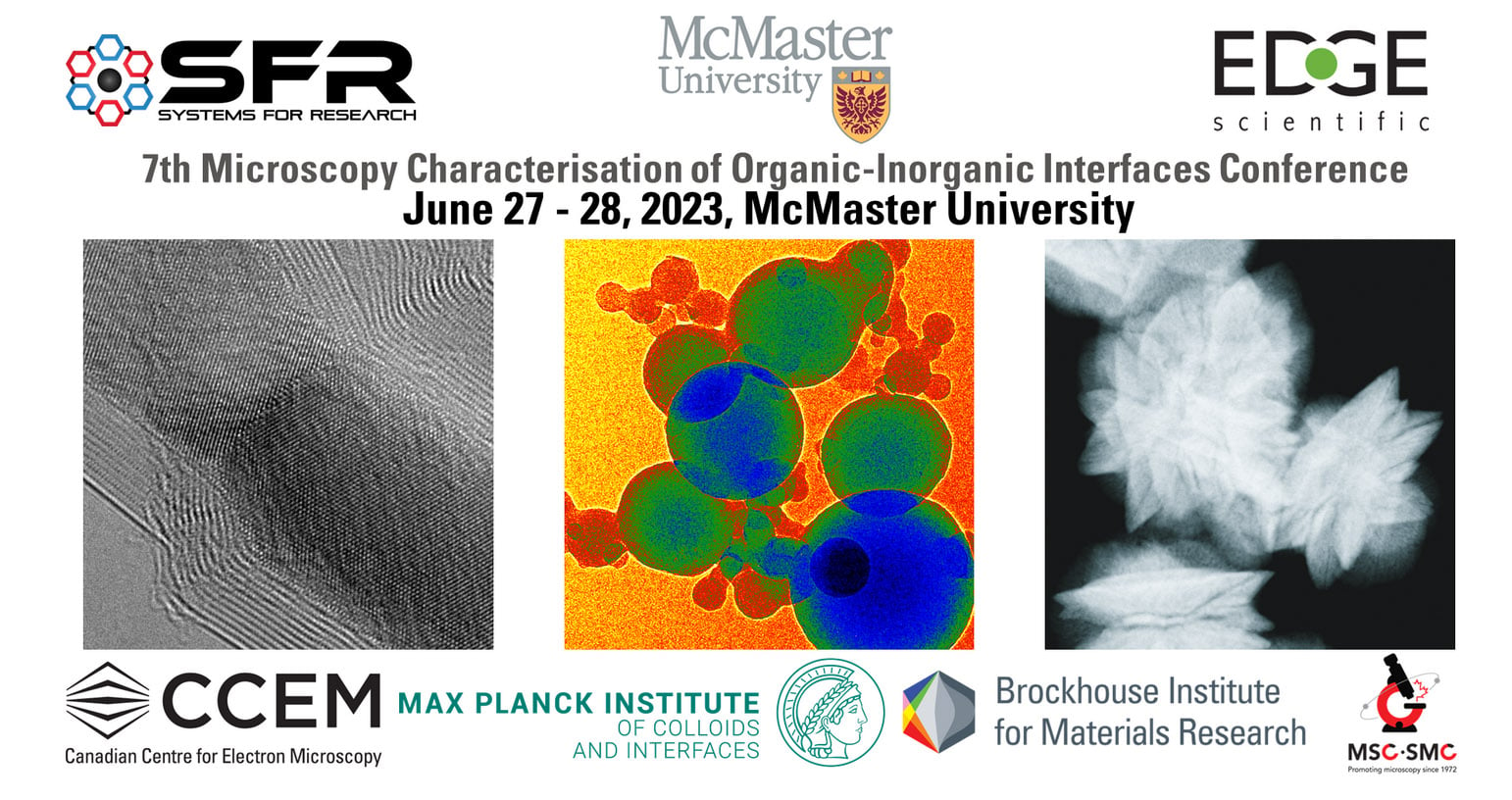
The 7th Microscopy Characterisation of Organic-Inorganic Interfaces (MCOII) meeting will return to an in-person format in 2023 and will be hosted for the first time in North America at McMaster University in Hamilton, Canada, home of the Canadian Centre for Electron Microscopy. The transatlantic scientific organizing team of Nadja V. Tarakina (MPIKG, Germany) and Kathryn Grandfield (McMaster University, Canada) have put together an exciting two-day programme. As usual, the first day will be more general, covering a broad range of microscopy approaches (correlative microscopy solutions, in-situ liquid microscopy methods, low-voltage electron microscopy and many more) in the context of imaging hybrid and soft matter.On the second day, a special Focus Lecture Series, entitled "Multi-dimensional and multiscale microscopy of organic-inorganic interface" will cover a more-detailed range of lectures on tomographic methods spanning light, X-ray and electron microscopy, as well as atom probe tomography and in situ electron microscopy/tomography. This conference will bring together world-leading experts in microscopy, highlighting the latest achievements, new opportunities and outstanding challenges in probing beam-sensitive and hybrid materials and their interfaces.
United States
IEEE Around-the-Clock Around-the-Globe (AtC-AtG) Magnetics Conference 2022
|
In Worlwide
Dear Colleagues,
It is our great pleasure to announce the 'IEEE Around-the-Clock Around-the-Globe (AtC-AtG) Magnetics Conference 2022', a virtual event hosted by the IEEE Magnetics Society covering the vast field of magnetism. Following the great success of the previous editions, this unique 24-hour non-stop virtual conference will take place on August 31st, 2022, with contributions from speakers spanning six continents.
The AtC-AtG Magnetics Conference offers a diverse and inclusive virtual environment that foments collaboration between junior and senior researchers across the many subfields of magnetism. The invited speaker lineup includes both junior and senior scientists with outstanding research contributions. More information can be found on the dedicated conference website.
Join us by registering through our website before 24th August!Â
Highlights:
 - Invited talks from leading experts in magnetism
 - Covers all continents and time zones
 - Interactive online broadcasting with questions and discussions
 - Student presentation and poster awards
 - NO REGISTRATION FEE
Call for Abstracts:
Abstract submission for the contributed talks at AtC-AtG Conference is now open! Young researchers are encouraged to submit abstracts (oral and poster) and join us on this fantastic platform to meet researchers worldwide!
The abstract template and submission form are available on our website. Submissions close on June 12th!
Looking forward to seeing you all connected!
Best Regards,
On behalf of the AtC-AtG Organization Committee (2022)
United States
Technical Aspects of Synchrotron X-ray and Neutron Measurements for Diffraction Microstructure Imaging
| - |
In NIST, Gaithersburg, MD
Organizing Committee:
- Thien Phan: Chair, NIST ([email protected])
- Darren Pagan, CHESS ([email protected])
- Ulrich Lienert, DESY ([email protected])
- Adam Creuziger, NIST ([email protected])
Description:
The workshop will be focused on the communication and discussion of technical aspects of synchrotron X-ray- and neutron-based microstructural characterization techniques associated with diffraction microstructure imaging in an interactive setting. We will cover the latest developments on data acquisition, management, and reconstruction; sample environments; and a dedicated session focused on support of advanced manufacturing. Discussion sections will focus on the development of physical and software standards and the building of an IUCr commission for this research community.Day 1: Wednesday, July 15 (start 10 AM EST)
Workshop Introduction (10 min.): Darren Pagan / Adam Creuziger / Ulrich Lienert Speaker Session (30 min. each, 60 min. total): In-situ and Ex-situ quantification of advanced manufacturing process/materials • Fan Zhang, NIST â€" “From Storage Ring to Manufacturing Prosperity: Applications of Synchrotron and Neutron Research in Promoting Advanced Manufacturing†• Tao Sun, UVA â€" “In situ/operando measurement of critical structure parameters in metal additive manufacturing using high-speed synchrotron x-ray imaging†Update Session (10 min. each, 75 min. max): Beamline updates • Jon Wright, ESRF â€" “News from ID11 at the ESRF†• Ulrich Lienert, DESY â€" “Grain resolved diffraction at the PETRA III P07 and P21.2 beamlines†• Peter Kenesei, APS â€" “High-energy X-ray Microscopy Beamlines Instrumentation Developments at the APS†• Jon Tischler, APS â€" “Status of using micro-diffraction at < 500 nm at the APS†• Thomas Wroblewski, HZG â€" “Energy dispersive diffraction imaging†• Carsten Detlefs, ESRF â€" “ID06, the ESRF Dark-Field X-ray microscopy beamline is now open for general user proposals†Break (15 min.) Discussion (60 min.): Physical Standardsâ€" led by Jun-Sang Park, APSDay 2: Thursday, July 16 (start 10 AM EST)
Daily Introduction (5 min.): Darren Pagan / Adam Creuziger / Ulrich Lienert Speaker Session (30 min. each, 90 min. total): New Data Reconstruction Methods • Johan Hektor, Lund University â€" “Novel methods for reconstructing strain fields from scanning 3DXRD data†• Kelly Nygren, CHESS â€" “Leveraging far-field and near-field HEDM data to efficiently reconstruct • intragranular orientation fields†• Peter Reischig, InnoCryst â€" “Three-dimensional sub-grain mapping of lattice strains and orientations in polycrystals†Update Session (10 min. each, 60 min. max): Codebase updates • Bob Suter, CMU â€" “New Dimensions in HEDM†• Hemant Sharma, APS â€" “Data driven microstructure reconstruction†• Joel Bernier, LLNL â€" “Updates to the HEXRD Software Library†• Hamid Abdolvand, Western Ontario â€" “A tool box for post-processing 3D-XRD data and reconstructing finite element input files†• Henri Proudhon, PSL University - MINES ParisTech â€" “Towards a data platform for the mechanics of microstructures combining experiments and simulations†Break (15 min.) Discussion (60 min.): Code Standards â€" led by Jette Oddershede, XNOVODay 3: Friday, July 17 (start 10 AM EST)
Daily Introduction (5 min.): Darren Pagan / Adam Creuziger / Ulrich Lienert Speaker Session (30 min. each, 60 min. total): New Instrumentation and Sample Environments • Paul Shade, AFRL â€" “Advanced In Situ Loading Environments for Synchrotron X-ray Diffraction Experiments†• Ashley Bucsek, U. Michigan â€" “Studying Phase Transformations and Twinning in Metals with Dark-Field X-ray Microscopy†Update Session (10 min. each, 75 min. max): In-Situ Measurements • Matthew Miller, CHESS â€" “The Materials Solution Network at CHESS (MSN-C) - a new paradigm for supporting military and industrial research†• Mustafacan Kutsal, DTU â€" “Update on high resolution 3DXRD at ESRF†• Lianyi Chen, Wisconsin â€" “Quantitatively revealing the dynamics and mechanisms of metal additive manufacturing processes by high-speed synchrotron x-ray imaging and diffraction†• Sven Vogel, LANL â€" “TBD†• Yunhui Chen, University College London â€" “Understanding Directed Energy Deposition Additive Manufacturing Process using In situ and Operando X-ray Imaging and Diffraction†• Sébastien Merkel, Université de Lille, France â€" “TIMEleSS tools: a toolbox for high pressure multigrain diffraction experiments†Break (15 min.) Discussion (60 min.): IUCr Commission Update â€" led by Darren Pagan, CHESS Close-out (10 min.)