Topics
Solid-state chemistry

Twenty-Seventh Congress and General Assembly (IUCr2026)
-
In Calgary
On behalf of the International Union of Crystallography (IUCr), it is with immense excitement and joy that we cordially extend our warmest invitation to you to join the IUCr for the Twenty-Seventh Congress and General Assembly, set to be held in the magnificent city of Calgary, located in the heart of Alberta, Canada from August 11th-18th, 2026.
Calgary, a city renowned for its breathtaking natural beauty and warm hospitality, has been chosen as the host for this remarkable occasion. Nestled amidst stunning landscapes and boasting a rich cultural heritage, this vibrant metropolis promises to provide an unforgettable experience for all attendees.
4th High-Pressure Single-Crystal X-Ray Diffraction Summer School
| - |
In Edinburgh
67th Polish Crystallographic Meeting
|
In Wroclaw
The Scientific Session of the Young Crystallographers Section of PCrA is a forum for exchanging experiences addressed primarily to students, PhD students and young doctors (maximum 5 years after defense).
The topics of the Meeting include basic and applied research on the ideal and real structure of crystals carried out with the use of X-ray radiation obtained both with traditional methods and in synchrotrons, research with the use of neutrons and electrons, problems of symmetry, phase transformations and crystal growth, new research and computational methods and all other aspects of crystallography. The conference is an annual meeting place and a forum for exchanging ideas of all Polish crystallographers.
During the inauguration of the 67th Polish Crystallography Meeting, the winners of the National Crystallography Olympiad will be decorated: http://olimpiadakrystalograficzna.pl.
82nd Pittsburgh Diffraction Conference
-
In Brookhaven National Laboratory, Stony Brook University Stony Brook, NY 11794-4040 USA
2025 Pittsburgh Diffraction Conference (PDC)
Hosted by Brookhaven National Laboratory
October 9–12, 2025
On behalf of the Conference Committee, we are delighted to invite you to 82nd annual Pittsburgh Diffraction Conference (PDC). This year’s conference will be held October 9–12, 2025 at Brookhaven National Laboratory, on New York’s beautiful Long Island.
The Pittsburgh Diffraction Conference is one of the longest-running scientific meetings in North America focused on the advancement of structural science through diffraction-based methods. Bridging both life sciences and materials sciences, the conference brings together researchers who utilize laboratory-based instruments, X-ray light sources, electron diffraction, and neutron scattering to explore the structure and dynamics of matter. It serves as a vibrant forum for sharing recent scientific breakthroughs, fostering interdisciplinary collaborations, and highlighting innovations across experimental and computational frontiers
This year’s program features a diverse and timely selection of breakout sessions, reflecting key areas of growth in the field. Topics include energy storage, emphasizing structural insights that enable next-generation energy technologies; AI and its applications in the development of emergent materials; novel materials with transformative properties; and the effects of extreme environments on structures, reveling details on dynamic processes and molecular motion that lead to biomolecular functions and a better understanding of complex soft materials.
Conference Web Page and Registration:
https://www.bnl.gov/pittsburgh-diffraction-conference/index.php
Important dates:
April 21, 2025 General registration opens
July 31, 2025 Deadline to submit an abstract for an oral/poster presentation
September 19, 2025 General registration closes
Pre-event workshops:
PDF 101: A Hands on Tutorial to Total Scattering Methods (organizers: Milinda Abeykoon, Daniel Olds)
Hands-on Workshop: Crystal Clear Insights: Mastering Protein Crystallization (organizers: Crissy Traver, Vivian Stojanoff)
Evening Events:
Brookhaven National Lab facility tour.
Friday, October 10, 2025
https://www.bnl.gov/pittsburgh-diffraction-conference/nsls2tour.php
Banquet Dinner
Danfords Hotel and Marina
25 E Broadway, Port Jefferson, NY 11777
Date: Friday, October 10, 2025, 7-9 p.m.
Awards Dinner
Charles B. Wang Center
100 Nicolls Road, Stony Brook, NY 11794
Date: Saturday, October 11, 2025, 7-9 p.m.

International Workshop on Powder Diffraction - IWPD2025
-
In Bari
This intensive three-day workshop offers a thorough introduction to modern powder diffraction techniques, combining theoretical foundations with practical applications. The program is designed for graduate students, researchers, and professionals aiming to deepen their understanding and hands-on skills in phase identification, quantitative analysis, and structure determination using powder X-ray diffraction data.
The course begins with the fundamental principles of powder diffraction and qualitative phase analysis, including the use of databases and software (PDF-5+, JADEPro and Qualx2.0). Day 2 focuses on quantitative phase analysis, structure solution, and Rietveld refinement, supported by guided exercises using EXPO and TOPAS software. The final day explores advanced topics such as total scattering, Pair Distribution Function (PDF) analysis, and microstructural characterization through size-strain analysis.
Throughout the course, participants will engage in practical sessions aimed at developing autonomy in data interpretation, profile fitting, and structure modelling using widely adopted software packages in the field.

International Workshop on Powder Diffraction - IWPD2025
-
In Bari
This intensive three-day workshop offers a thorough introduction to modern powder diffraction techniques, combining theoretical foundations with practical applications. The program is designed for graduate students, researchers, and professionals aiming to deepen their understanding and hands-on skills in phase identification, quantitative analysis, and structure determination using powder X-ray diffraction data.
The course begins with the fundamental principles of powder diffraction and qualitative phase analysis, including the use of databases and software (PDF-5+, JADEPro and Qualx2.0). Day 2 focuses on quantitative phase analysis, structure solution, and Rietveld refinement, supported by guided exercises using EXPO and TOPAS software. The final day explores advanced topics such as total scattering, Pair Distribution Function (PDF) analysis, and microstructural characterization through size-strain analysis.
Throughout the course, participants will engage in practical sessions aimed at developing autonomy in data interpretation, profile fitting, and structure modelling using widely adopted software packages in the field.

How To Use Particle Informatics Tools To Connect Virtual Workshop: Crystal Structure to Particle Behaviour
In Online
In silico digital design methods are becoming more popular in the formulated products industries as tools to anticipate manufacturing and processing bottlenecks before they occur. Particle Informatics tools enable you to leverage the wealth of data in the Cambridge Structural Database (CSD) to provide insight into the surface chemistry and topology of crystal facets.
What we will cover
In this virtual workshop, we will provide an overview of the functionality available in the CSD-Particle suite, focusing on tools for particle surface analysis. The session will include presentations and demonstrations by CCDC expert tutors and a hands-on part for you to try the software, with the tutors available to help you and answer your questions.
You will learn:
- How to use the desktop molecular visualizer software Mercury for Particle Informatics studies.
- How to use the Surface Analysis tool.
- How to calculate Full Interaction Maps on surfaces.
- Recent advances and improvements of the CSD-Particle tools.
- How you can best use Mercury and CSD-Particle in your workflows.
How To Use Particle Informatics Tools To Connect Virtual Workshop: Crystal Structure to Particle Behaviour
|
In Online
What we will cover
In this virtual workshop, we will provide an overview of the functionality available in the CSD-Particle suite, focusing on tools for particle surface analysis. The session will include presentations and demonstrations by CCDC expert tutors and a hands-on part for you to try the software, with the tutors available to help you and answer your questions.
You will learn:
- How to use the desktop molecular visualizer software Mercury for Particle Informatics studies.
- How to use the Surface Analysis tool.
- How to calculate Full Interaction Maps on surfaces.
- Recent advances and improvements of the CSD-Particle tools.
- How you can best use Mercury and CSD-Particle in your workflows.

82nd Pittsburgh Diffraction Conference
| - |
In Brookhaven National Laboratory, Stony Brook University Stony Brook, NY 11794-4040 USA
2025 Pittsburgh Diffraction Conference (PDC)
Hosted by Brookhaven National Laboratory
October 9â€"12, 2025
On behalf of the Conference Committee, we are delighted to invite you to 82nd annual Pittsburgh Diffraction Conference (PDC). This year’s conference will be held October 9â€"12, 2025 at Brookhaven National Laboratory, on New York’s beautiful Long Island.
The Pittsburgh Diffraction Conference is one of the longest-running scientific meetings in North America focused on the advancement of structural science through diffraction-based methods. Bridging both life sciences and materials sciences, the conference brings together researchers who utilize laboratory-based instruments, X-ray light sources, electron diffraction, and neutron scattering to explore the structure and dynamics of matter. It serves as a vibrant forum for sharing recent scientific breakthroughs, fostering interdisciplinary collaborations, and highlighting innovations across experimental and computational frontiers
This year’s program features a diverse and timely selection of breakout sessions, reflecting key areas of growth in the field. Topics include energy storage, emphasizing structural insights that enable next-generation energy technologies; AI and its applications in the development of emergent materials; novel materials with transformative properties; and the effects of extreme environments on structures, reveling details on dynamic processes and molecular motion that lead to biomolecular functions and a better understanding of complex soft materials.
Â
Conference Web Page and Registration:Â Â
https://www.bnl.gov/pittsburgh-diffraction-conference/index.phpÂ
Â
Important dates:
April 21, 2025Â Â Â Â Â Â Â Â General registration opens
July 31, 2025Â Â Â Â Â Â Â Â Deadline to submit an abstract for an oral/poster presentation
September 19, 2025Â Â Â General registration closes
Pre-event workshops:
PDF 101: A Hands on Tutorial to Total Scattering Methods (organizers: Milinda Abeykoon, Daniel Olds)
Hands-on Workshop: Crystal Clear Insights: Mastering Protein Crystallization (organizers: Crissy Traver, Vivian Stojanoff)
Â
Evening Events:
Brookhaven National Lab facility tour.
Friday, October 10, 2025
https://www.bnl.gov/pittsburgh-diffraction-conference/nsls2tour.php
Banquet Dinner
Danfords Hotel and Marina
25 E Broadway, Port Jefferson, NY 11777
Date: Friday, October 10, 2025, 7-9 p.m.
Awards Dinner
Charles B. Wang Center
100 Nicolls Road, Stony Brook, NY 11794
Date: Saturday, October 11, 2025, 7-9 p.m.
International Workshop on Powder Diffraction - IWPD2025
| - |
In Bari
This intensive three-day workshop offers a thorough introduction to modern powder diffraction techniques, combining theoretical foundations with practical applications. The program is designed for graduate students, researchers, and professionals aiming to deepen their understanding and hands-on skills in phase identification, quantitative analysis, and structure determination using powder X-ray diffraction data.
The course begins with the fundamental principles of powder diffraction and qualitative phase analysis, including the use of databases and software (PDF-5+, JADEPro and Qualx2.0). Day 2 focuses on quantitative phase analysis, structure solution, and Rietveld refinement, supported by guided exercises using EXPO and TOPAS software. The final day explores advanced topics such as total scattering, Pair Distribution Function (PDF) analysis, and microstructural characterization through size-strain analysis.
Throughout the course, participants will engage in practical sessions aimed at developing autonomy in data interpretation, profile fitting, and structure modelling using widely adopted software packages in the field.

6th National Crystallography Olympiad in Poland
|
In WrocÃ...‚aw
The Polish Academy of Sciences Crystallography Committee sets itself the goal of increasing students' motivation to acquire knowledge in the field of crystallography, which is an important element of education of graduates of natural sciences and engineering. Since 2014, the National Crystallography Olympiad has been organized cyclically under the patronage of the Committee. In 2025, the 6th edition of this competition will be held.
The official announcement of the results and award ceremony will take place on June 26, 2025, as part of the 66th Polish Crystallographic Meeting in Wrocław.
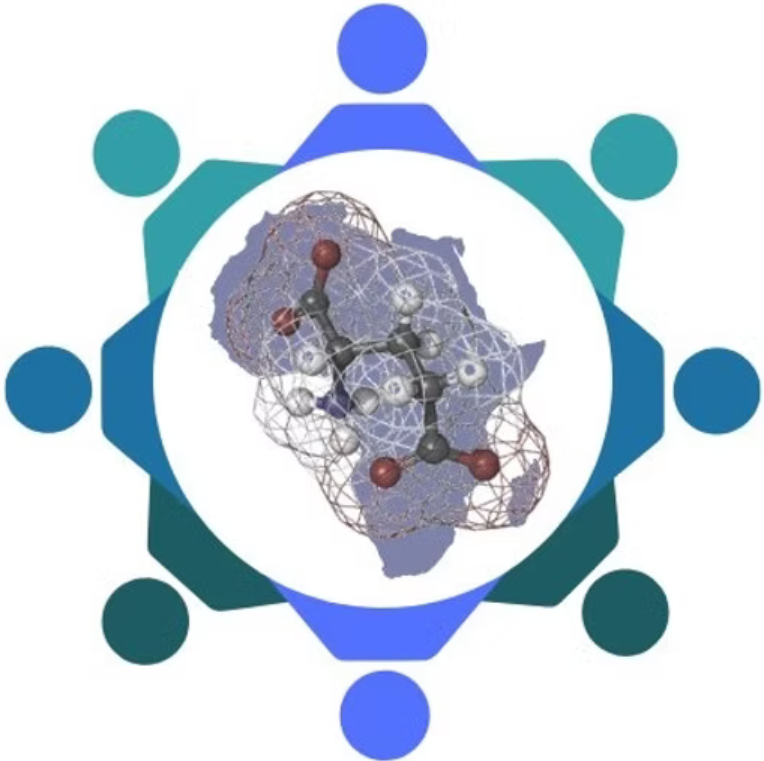
Building Capacity in AI-Driven Drug Discovery and Vaccine Design: AlphaFold Training by BioStruct-Africa
| - |
In Nairobi
Workshop Highlights:
- Â Â Â AlphaFold Training: Master the use of AlphaFold for accurate protein structural determination.
- Â Â Â Drug Discovery: Learn to use protein structures (AlphaFold2 and experimentally solved structures) to screen small molecule compound libraries.
- Â Â Â Structural Analysis: Participate in practical sessions on protein structural analysis and interpretation.
- Â Â Â Expert Lectures: Gain insights from leading professionals in the field.
- Â Â Â Networking: Build connections with peers and experts.
CCDC User Webinar: Dynamic Molecular Crystals: A New Class of Smart Materials
|
During this webinar, PanÄe Naumov from the New York University Abu Dhabi, will explore the latest advancements in adaptive molecular single crystals and their potential applications in soft, lightweight, and biocompatible devices. As solid-state chemists and engineers shift their focus from crystal structure to the properties and functions of organic solids, we'll discuss the importance of these materials for high-efficiency energy storage systems. The highlights include challenges in reproducibility and scalability, as well as the innovative use of machine learning to uncover structure-function relationships that impact the dynamic performance of these crystals. It's a great opportunity to learn about the future of crystal adaptronics and its promise for various technological applications!
Â
 Who Should Attend?
- Solid-state chemists
- Crystal EngineersÂ
- Materials Scientists
- Crystallographers
- Researchers interested in organic solids and their applications.Â
- Engineers and industry professionals focused on energy storage solutions, sensors, and flexible electronics.
Exclusive live webinar â€" we are not sharing the recording!
Â
Tuesday 15th April 2025
15:00 BST (London) 16:00 CEST (Berlin, Madrid, Rome) 10:00 EDT (Boston, Ontario, New York) 7:00 PT (San Diego, Vancouver, Seattle)Â Â
Sign up for the CCDC newsletter to be the first to receive inspiring content, the latest data updates, product releases, and event announcements. https://www.ccdc.cam.ac.uk/contact-us/#newsletter
66th Polish Crystallographic Meeting - Konwersatorium Krystalograficzne
| - |
In WrocÃ...‚aw
The Polish Crystallographic Meeting, Scientific Workshop and Session of the Young Crystallographers Sections of PCrA will be held at the Institute of Low Temperature and Structure Research of the Polish Academy of Sciences, ul. Okólna 2 in Wrocław.
The Workshop is devoted to selected issues and problems of modern crystallography.
The Scientific Session of the Young Crystallographers Section of PCrAÂ is a forum for exchanging experiences addressed primarily to students, PhD students and young doctors (maximum 5 years after defense).
The topics of the Meeting include basic and applied research on the ideal and real structure of crystals carried out with the use of X-ray radiation obtained both with traditional methods and in synchrotrons, research with the use of neutrons and electrons, problems of symmetry, phase transformations and crystal growth, new research and computational methods and all other aspects of crystallography. The conference is an annual meeting place and a forum for exchanging ideas of all Polish crystallographers.
During the inauguration of the 66th Polish Crystallography Meeting, the winners of the 6th National Crystallography Olympiad will be decorated: http://olimpiadakrystalograficzna.pl.

35 European Crystallographic Meeting
|
In PoznaÃ...„
 At the XXV Congress and General Assembly of the International Union of Crystallography in Prague, it was decided that the 35th edition of the European Crystallographic Meeting would be held in Lviv, Ukraine, in 2025.
 Unfortunately, there is a war in Ukraine, and it is not reasonable to organize a great scientific event in Lviv in 2025. An alternative was thus elaborated where, thanks to a collaboration between the Ukrainian Crystallographic Committee and the Polish Crystallographic Association, the conference site will be Poznan, a city in neighbouring Poland.
XIII Conference â€Å"Solid State Chemistry and Functional Materials 2024
| - |
In St Petersburg
HERCULES 2025
| - |
In Grenoble
HERCULES is a European course for PhD students and young researchers using Neutrons and Synchrotron Radiation for applications in Biology, Chemistry, Physics, Hard & Soft Condensed Matter.
 The 5-week school includes lectures (60%), hands-on practicals, labs & tutorials (30%), visits, a poster session, group work sessions, ...
Participants will spend one week in a partner institution in Europe among:
- ALBAÂ in Barcelona, Spain
- PETRA III and EU-XFELÂ in Hambourg, Germany
- KIT light source in Karlsruhe, Germany
- SOLEILÂ in Saint-Aubin, France
 This comes in addition to practicals, labs, and tutorials which will take place in Grenoble at ILL, ESRF and Grenoble Laboratories (CNRS, IBS).
The school includes a common part and two parallel sessions:
-Â Physics and chemistry of condensed matter (session A)
-Â Biomolecular and soft condensed matter (session B)
DEADLINE FOR APPLICATION: 6 October 2024
6th International Symposium on Halogen Bonding (ISXB6)
| - |
In Dubrovnik, Croatia.
Normal 0 21 false false false HR X-NONE X-NONE /* Style Definitions */ table.MsoNormalTable {mso-style-name:"Table Normal"; mso-tstyle-rowband-size:0; mso-tstyle-colband-size:0; mso-style-noshow:yes; mso-style-priority:99; mso-style-parent:""; mso-padding-alt:0cm 5.4pt 0cm 5.4pt; mso-para-margin-top:0cm; mso-para-margin-right:0cm; mso-para-margin-bottom:8.0pt; mso-para-margin-left:0cm; line-height:107%; mso-pagination:widow-orphan; font-size:11.0pt; font-family:"Calibri",sans-serif; mso-ascii-font-family:Calibri; mso-ascii-theme-font:minor-latin; mso-hansi-font-family:Calibri; mso-hansi-theme-font:minor-latin; mso-bidi-font-family:"Times New Roman"; mso-bidi-theme-font:minor-bidi; mso-fareast-language:EN-US;}
The ISXB series of symposium aim to bring together researchers from all over the world who are interested in the fascinating phenomenon of halogen bonding and related interactions, from fundamental principles to applied technologies, covering both experimental and theoretical approaches in various areas of research ranging from advanced materials to medicinal chemistry and chemical biology.
The ISXB6 will feature keynote addresses and invited lectures by internationally renowned experts, contributed presentations, posters, and flash communications by young and promising researchers. The Symposium will also provide ample opportunities for networking and socializing in a friendly and stimulating atmosphere.
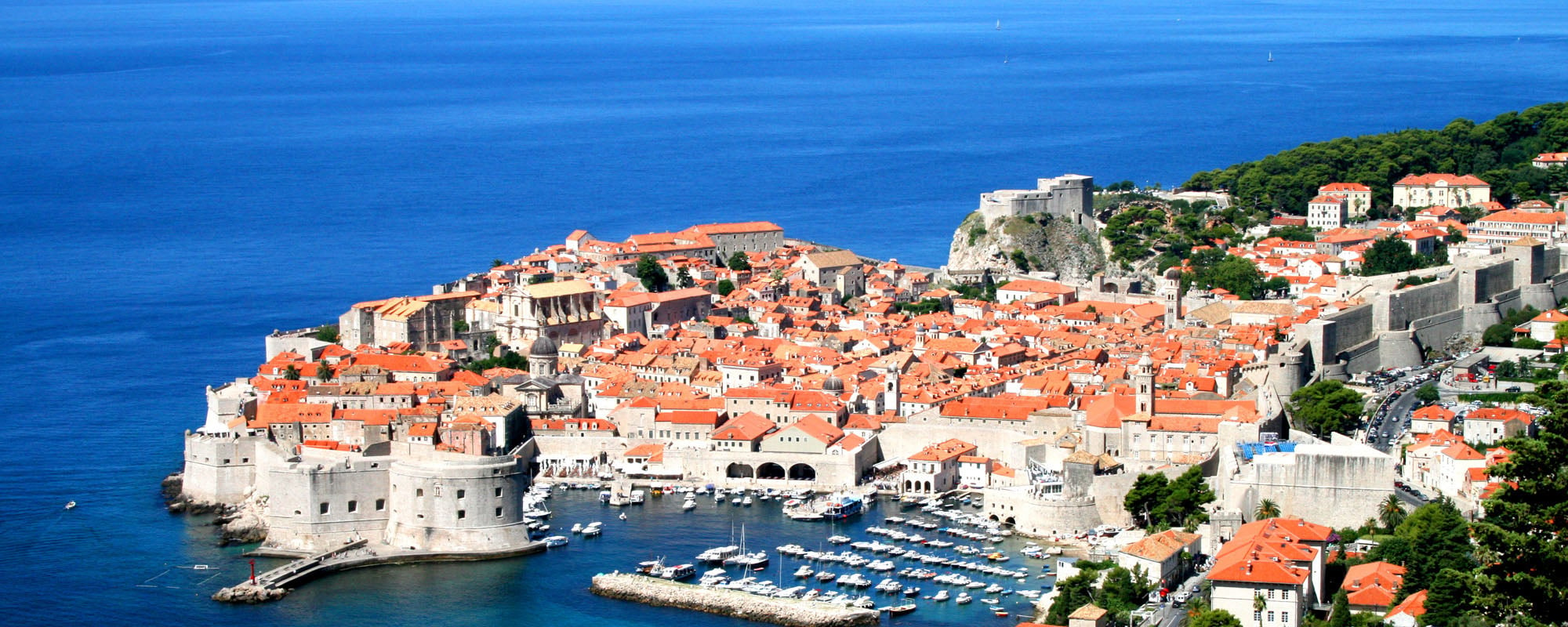
It will be held in Dubrovnik, Croatia, from October 20-25, 2024. The symposium will take place at the Sheraton Dubrovnik Riviera Hotel, a modern resort located in a secluded beachfront location in the vicinity of the Dubrovnik Old Town.
Synclight 2024 - São Paulo School of Advanced Science on 4th Generation Synchrotron Techniques
|
In Campinas
Promoted by CNPEM and funded by São Paulo Research Foundation (FAPESP), SyncLight 2024 aims to gather young researchers from Brazil and around the world to discuss the recent opportunities offered by advanced experimental synchrotron techniques available at Sirius, the Brazilian 4th generation light source.
Over the past decades, synchrotron light sources have played a significant role in the development of modern natural sciences and engineering. With a wide range of experimental techniques available, synchrotron light sources have revolutionized the way scientists study and characterize materials in the fields of Physics, Chemistry, Biology, Health, Energy, New Materials, Environmental Sciences, and many others.
The interdisciplinary nature of the event, combined with the collaboration of the LNLS User Committee, which includes researchers from various institutions across Brazil, will contribute to the exchange of experiences among young researchers, professors, and experienced researchers. The event's program includes lectures, poster sessions, and guided tours at the facilities will also be organized. Tutorials on experiments conducted, demonstrations on the control of the accelerators, as well as data analysis and simulations taught by LNLS researchers, at the laboratory's beamlines, are also planned.
The theme is particularly relevant to the Brazilian scientific scenario, as Sirius is one of the most modern and brilliant synchrotron light sources in the world. Currently, ten beamlines are open to the scientific and technological community, out of a set of 14 initially planned to cover a wide range of scientific programs. One of the objectives of SyncLight 2024 is precisely to assist in the training and formation of a new generation of user-researchers, capable of benefiting from this large scientific infrastructure in operation in Brazil.
SyncLight 2024 is part of the São Paulo School of Advanced Science (SPSAS) modality, funded by FAPESP, which provides resources to promote short courses in different areas of knowledge in the State of São Paulo.

29th Conference of The Serbian Crystallographic Society
| - |
In Ruma
The annual meeting of the Serbian Crystallographic Society. The Conference will be a live event.
Language
The official language of the Conference is English.
Topics
All fields of crystallography.
Presentations                                                       Â
- Plenary lectures
- Oral presentations
- Poster presentations
Awards
“The Best Oral Presentation†and “The Best Poster Presentation†prizes will be awarded at the Conference closing session.
Social activities
On Thursday afternoon, June 27th, an excursion will be organized.
On Friday evening, June 28th, SCS will organize a Conference dinner.
The price of the excursion and gala dinner is included in the regular registration fee.
Conference material
At the beginning of the Conference every participant will receive the Book of abstracts in Serbian and English.