40 years ago, a new device appeared that made low-temperature X-ray crystallography possible with ease. I am, of course, referring to the so-called “Cryostream”. This is the tale of how a device originally built for academic research eventually revolutionised the way X-ray Crystallography is done. X-ray crystallographers had long wanted to make their measurements at low temperature in order to increase resolution and/or study phase changes. But despite many attempts to produce low-temperature apparatus for crystallographers, their complexity and unreliability meant that very few crystallographers ever attempted measurements at low temperature. The Cryostream changed all that, so that today measurements at low temperatures have become routine. The success of this device has meant that, now, if you walk into any X-ray crystallography laboratory in the world, the chances are that you will see at least one Cryostream. In one laboratory I even saw 6 Cryostreams!
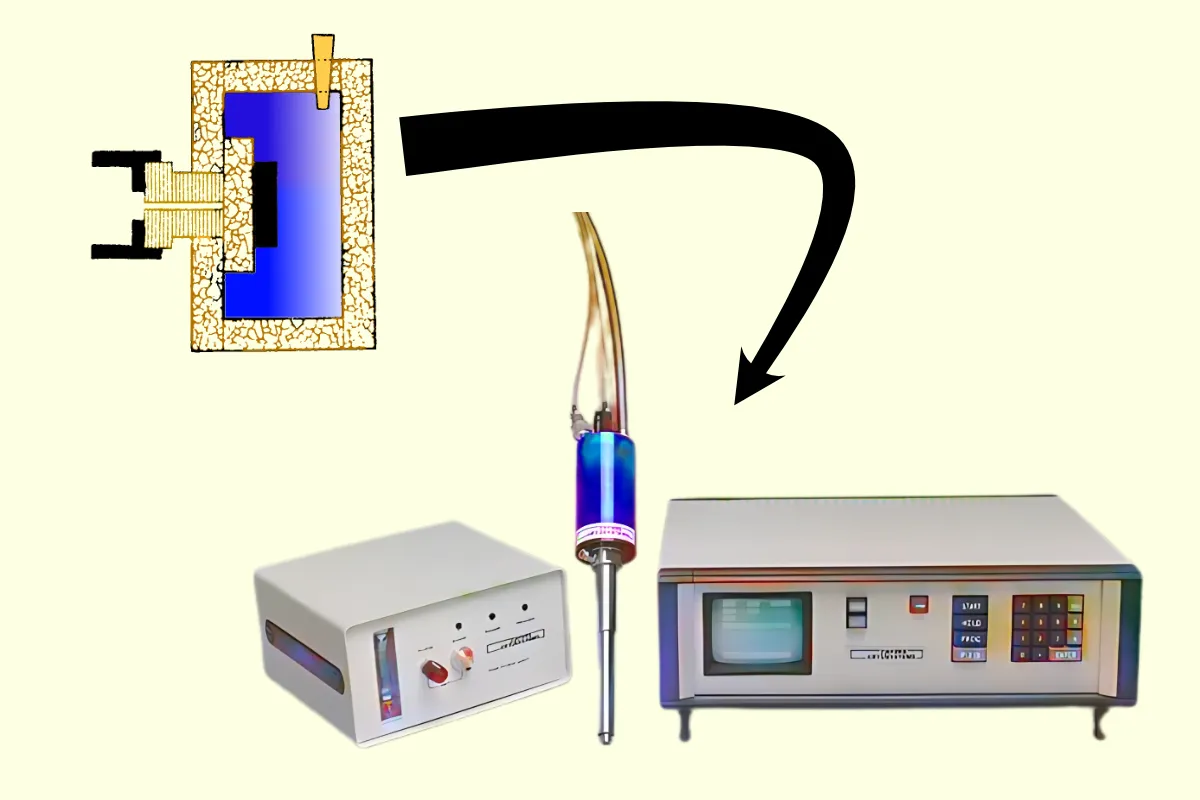
At the recent IUCr Congress in Calgary, several people asked me to tell the story of how the Cryostream and the formation of the company Oxford Cryosystems came about 40 years ago. The idea arose from fundamental research I was doing in the 1980’s on the nature of phase transitions in inorganic crystals and powders. In particular, I wanted to study changes of state at variable low temperatures using X-ray diffraction, originally using a Nonius Guinier-Simon powder camera. Now, the problem with low-temperature X-ray diffraction in the laboratory is that window materials absorb X-rays significantly; as a result, the most common way to cool crystals was to use an open-stream cold-gas system, which obviated the need for windows. Crystallographers have become so accustomed to carrying out X-ray diffraction at low temperature that I think few can imagine just how hard it was to do this before the Cryostream became available.
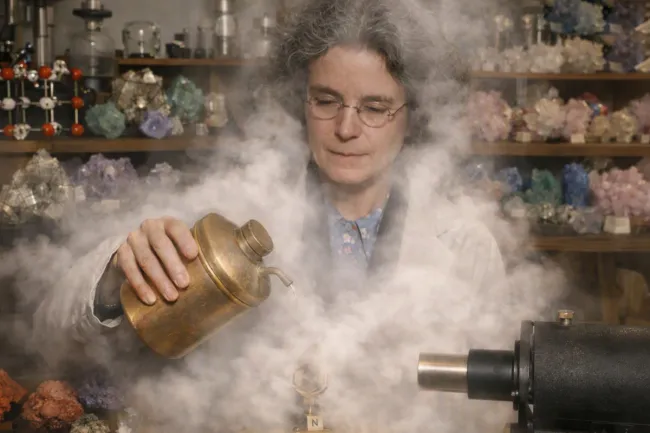
So, let me start by mentioning some of the early attempts at what later became known as X-ray Cryocrystallography using an open-flow gas stream. If you want more details, I recommend Reuben Rudman's splendid book1 which illustrates lots of examples. One of the earliest ways to cool crystals in the X-ray beam was simply to drop liquid nitrogen directly onto the crystal! Crude, but at least one could guarantee that the crystal was cooled. This was used, for example, by Kathleen Lonsdale, and there is a wonderful description by W. Hume-Rothery, who remembered a visit to the Royal Institution where he saw ‘the figure of Dr Lonsdale appearing through a cloud of mist, like a glorified spectre of the Brocken, while her assistant pumped liquid air over a crystal’.
Rinne2 first devised a version of this cooling method in 1917 (Figure 1).
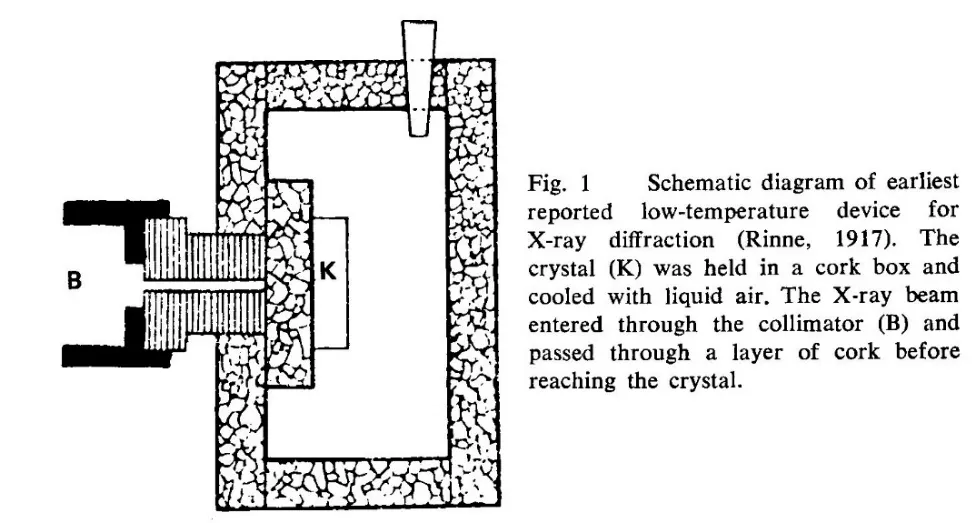
Figure 1
Later, many attempts were made to create apparatus for producing controllable cold gas streams. In Figure 2, I show the first gas-stream cooling device by Cioffi and Taylor3.
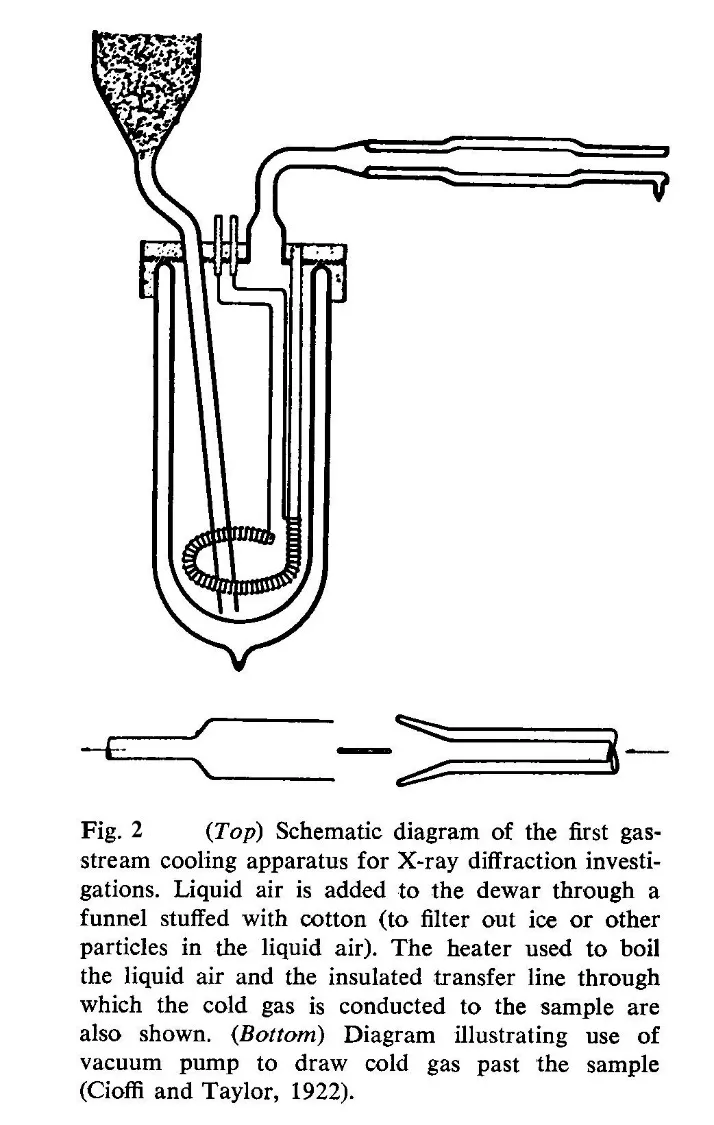
Figure 2
Following this, many different designs appeared, sometimes of very high complexity. Figure 3 shows an example of a real monster of a device published by Rudman and Godel in 19674. Eventually, commercially produced low-temperature systems appeared. Figure 4 shows one such system by Siemens-Nicolet. The most popular commercial system was sold by Enraf-Nonius, designed by Krueger5. These all used a sealed Dewar of liquid nitrogen with an internal heater to form gas, which then, because of the internal pressure in the Dewar, was forced out through a delivery tube onto the sample. A subsidiary heater in the delivery tube then enabled the temperature of the emerging gas stream to be altered. The most obvious problem is that because the Dewar is sealed, when the liquid nitrogen runs out, you must open the seal to refill it, causing massive changes in the gas-stream temperature. They were fearsome beasts, made out of fragile glass tubing, with secondary and sometimes tertiary Dewars in order to dampen the refilling effect. At best, from my personal experience, this controlled the temperature to about ±10K, with a base temperature, if you really worked at it, of about 140K. They also used huge amounts of liquid nitrogen. The system was large and not portable and, in general, deterred routine low-temperature crystallography. Figure 5 shows a modified version of the Enraf-Nonius system capable of much better precision.
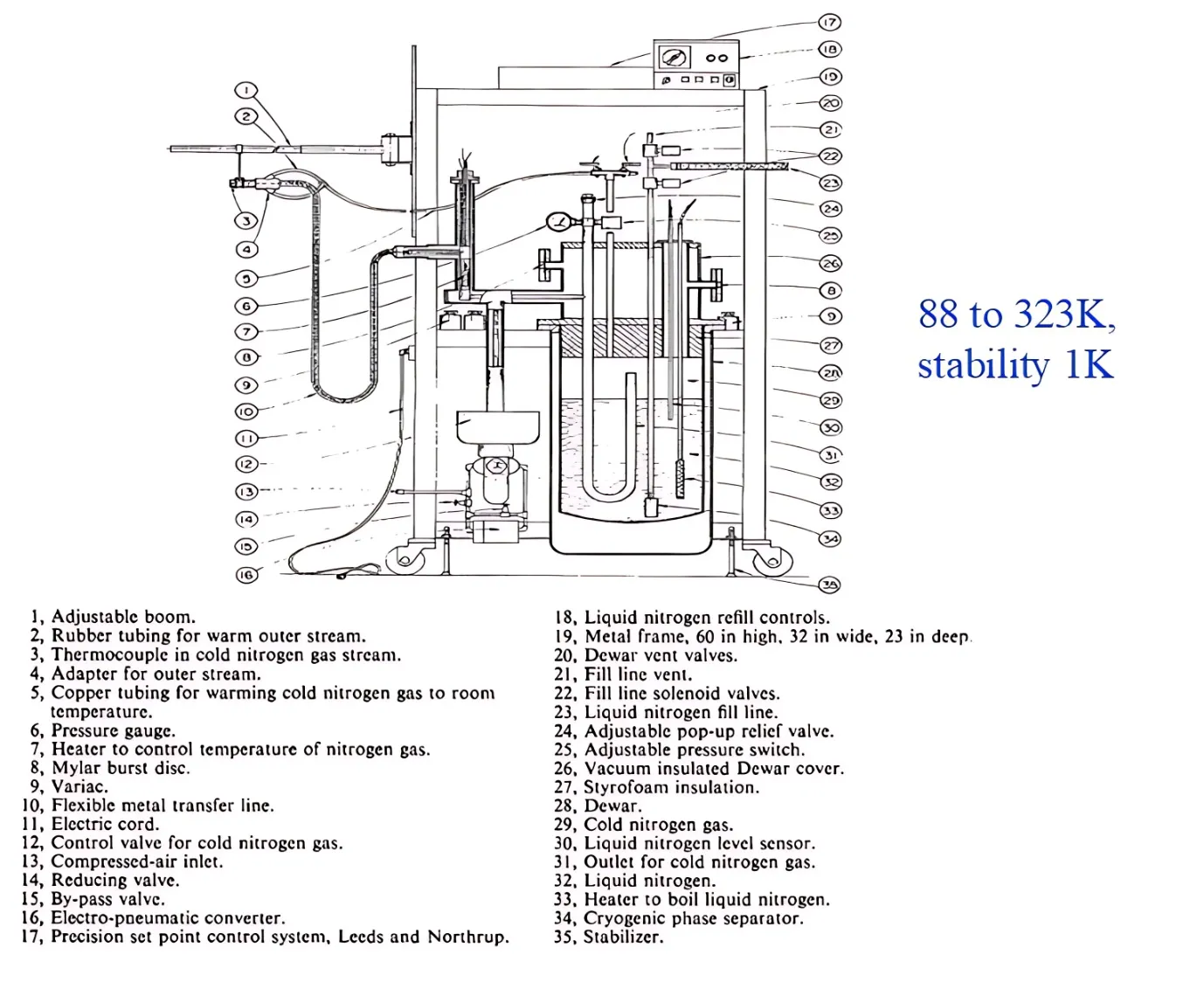
Figure 3
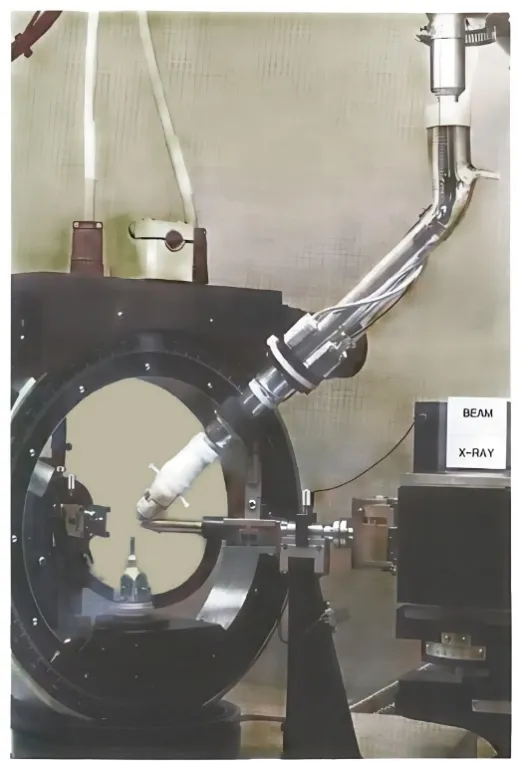
Figure 4 Siemens-Nicolet low-temperature apparatus[6]
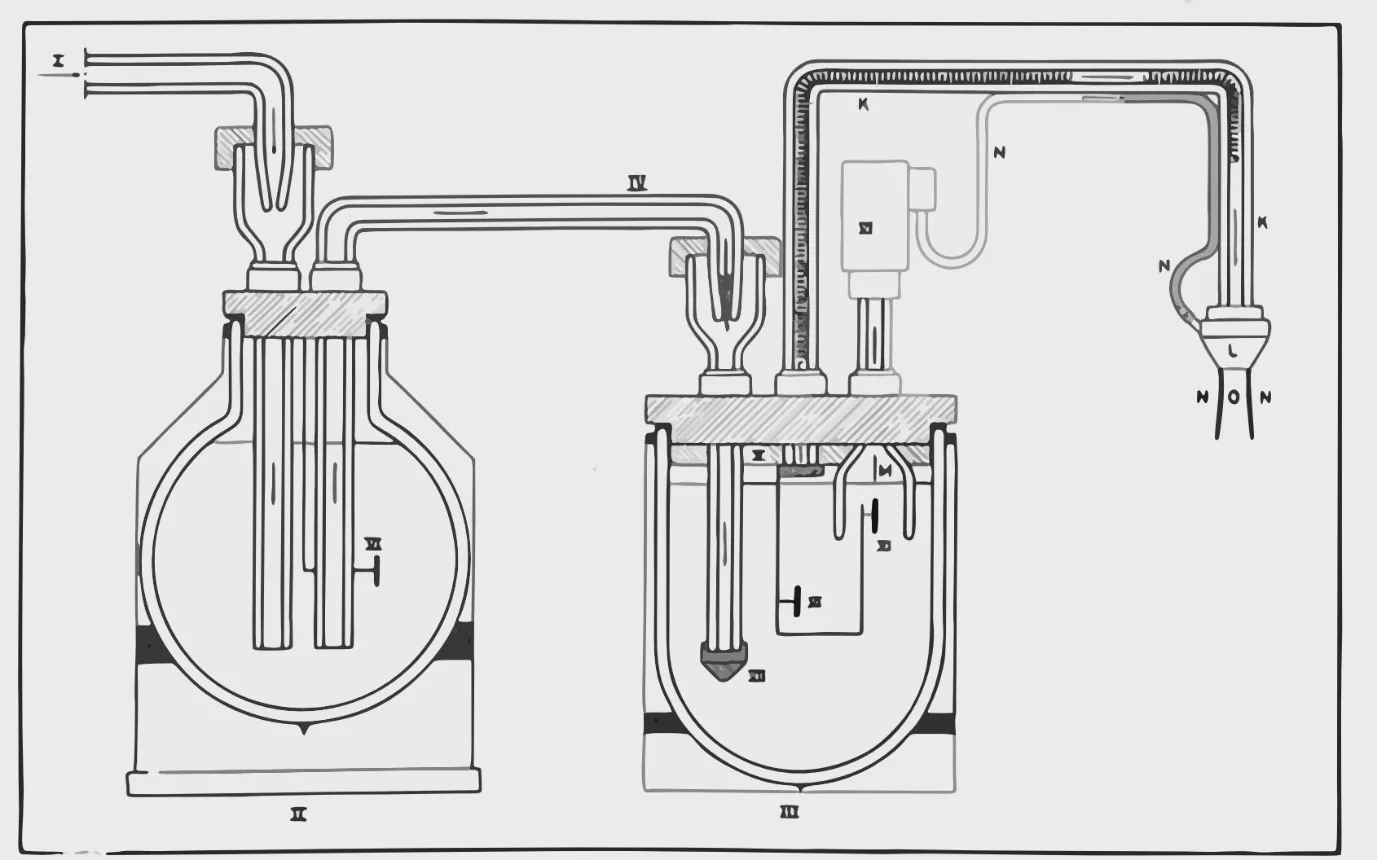
Figure 5. From University of Groningen Research Database by Nes, G. J. H. V. (1978). Single-crystal structures and electron density distributions of ethane, ethylene and acetylene. Improved version of the Enraf-Nonius low-temperature system, claimed to be stable at 85 K to within 0.1 K, with a liquid nitrogen consumption of about 1.5 L/h.
Now, it so happened that the Clarendon Laboratory (Oxford Physics Department) had a long-established history of expertise in low-temperature physics when, in 1933, Franz Simon, Nicholas Kurti, and Kurt Mendelssohn introduced cryogenics to the lab after fleeing Nazi Germany. As a result, the Clarendon had its own separate low-temperature workshop with skilled technicians. From this environment, Sir Martin Wood, a Senior Research Officer in the Clarendon, established, together with his wife, the world-leading company Oxford Instruments in 1959.
The unsatisfactory state of available low-temperature X-ray systems led me to think there had to be a better way. So, I approached a member of the Research Support Staff, John Cosier (Figure 6), an expert engineer in cryogenics, to see if we could find a better way to cool crystals. I explained the problem: I wanted a stable gas-flow system capable of achieving very low temperatures with excellent stability, and importantly, made of metal, not fragile glass. The result was a device for which John invented the name “Cryostream” (this term, by the way, seems now to have been adopted as the name of any open-stream cryogenic system, a bit like using the name Hoover for a vacuum cleaner!).
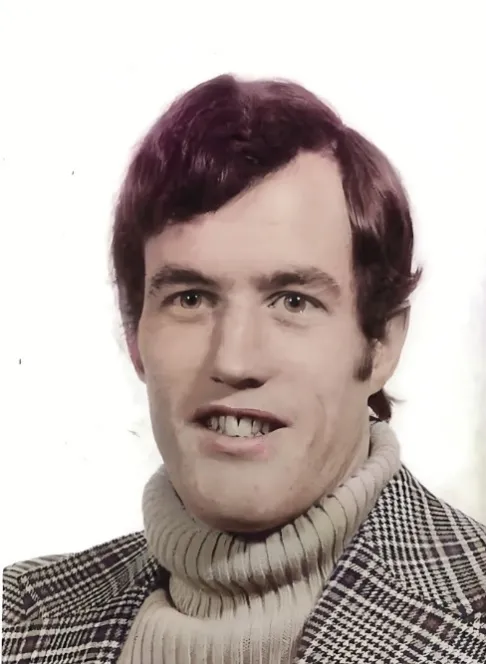
Figure 6 John Cosier
John’s design was very simple and is shown schematically in Figure 7 and the prototype system in Figure 8. We could not find anything in the literature published with a similar design principle. Here, the Dewar is open, so its contents are at atmospheric pressure. Liquid nitrogen is sucked up through a vacuum-insulated supply line from the Dewar into a small container, where it is evaporated to gas, passes through one side of a heat exchanger, and then out to a pump, where the gas is warmed to near room temperature. This warm gas then re-enters the Cryostream to be cooled again on the other side of the heat exchanger, then exits through the delivery tube, where a secondary heater reheats it to any desired temperature. There is then no pressure difference between the inside of the Dewar and the outlet stream, so refilling with liquid nitrogen could not disturb the gas flow. As a result, this system achieved a base temperature of 77.4K with a control precision of ±0.1K and a liquid nitrogen consumption of 0.6 L/hr. In addition, the gas stream was highly streamlined, something missing in most earlier systems. This is important so the temperature in the stream remains unchanged and stable for some distance along its length, and because turbulent flow encourages moisture into the stream, resulting in icing of the sample. To demonstrate its incredible stability, I sometimes used to lift the supply line out of the Dewar completely for up to 30s at conferences to simulate the worst possible perturbation, and yet the resulting rise in gas temperature (set at 100K) was less than 0.5K before returning to the set point.
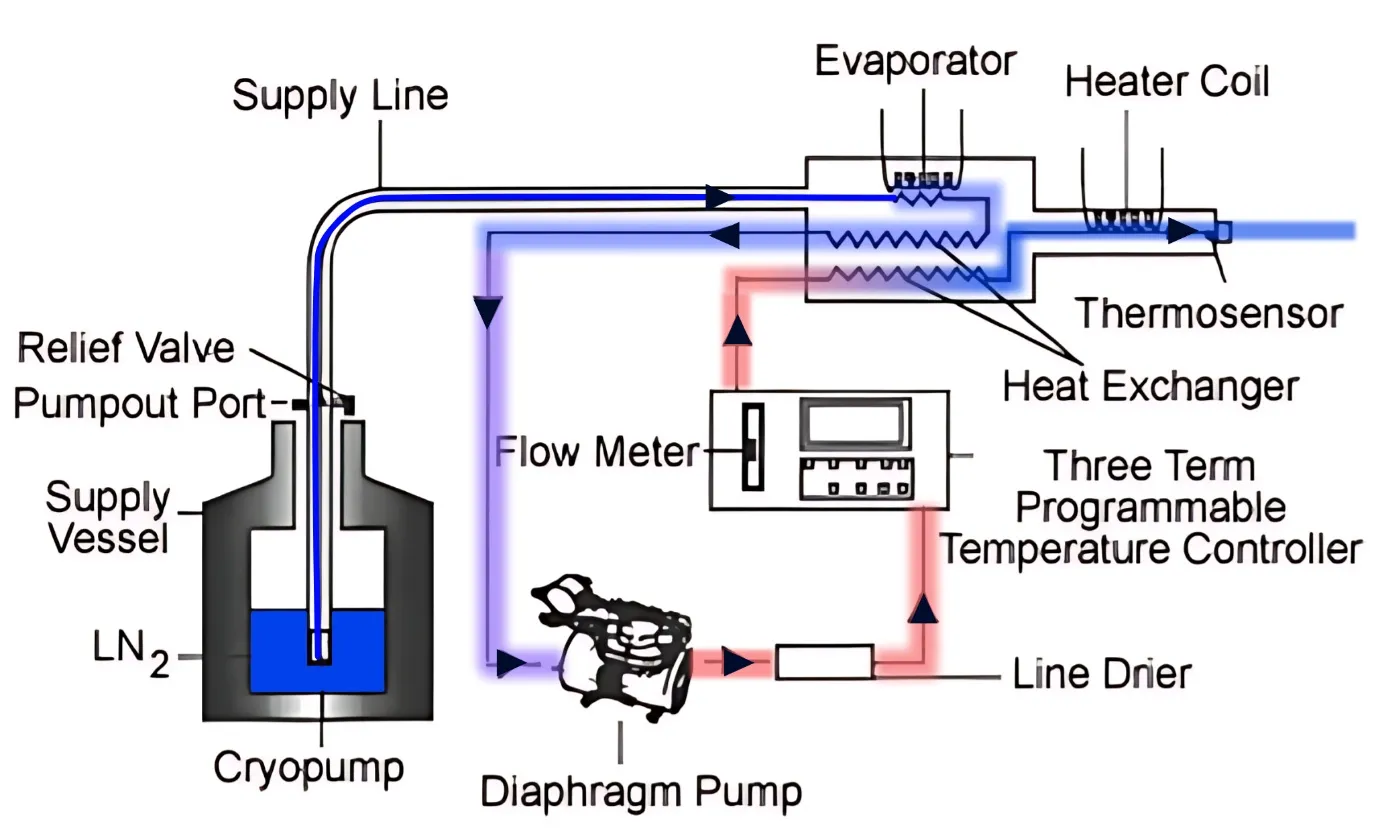
Figure 7 Schematic diagram of the Cryostream
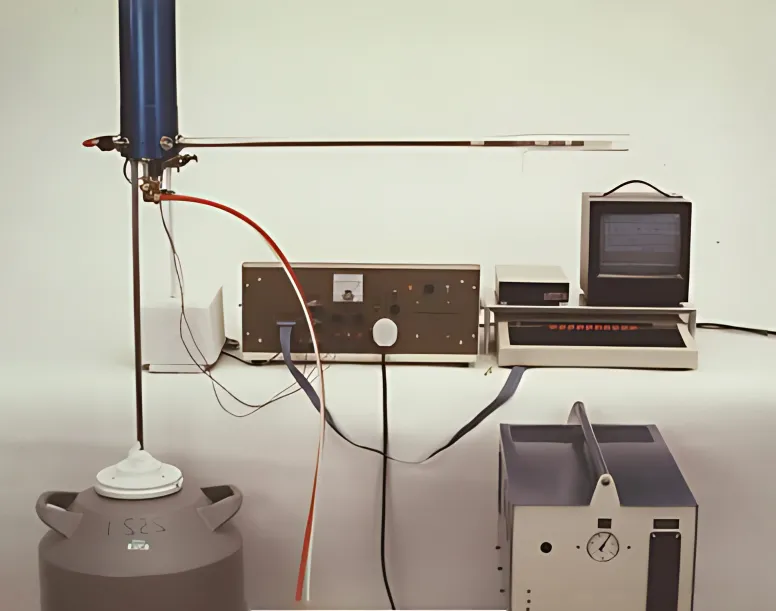
Figure 8 The prototype Cryostream. On the right is a BBC microcomputer programmed in BASIC to control the temperature using three-term control[7].
I realised that we had actually solved the long-standing low-temperature problem and that crystallographers would surely want to own such a system for routine use. So we decided to try to commercialise it. The then Head of Department, Professor Bill Mitchell, came to look at what we had done and commented: “It is very clever, but I don’t think there is any money in it!” So I said, “OK Bill, would you mind if we set up a small plant in the basement of our building to see if we could commercialise it?” He straightaway told us that we could go ahead and set up a small construction unit in the basement of the Old Physiology Department where I was based at the time. As you can see from Figure 8, the prototype system had a rather long delivery pipe, so I encouraged John to redesign it to make it much smaller and easier to handle.
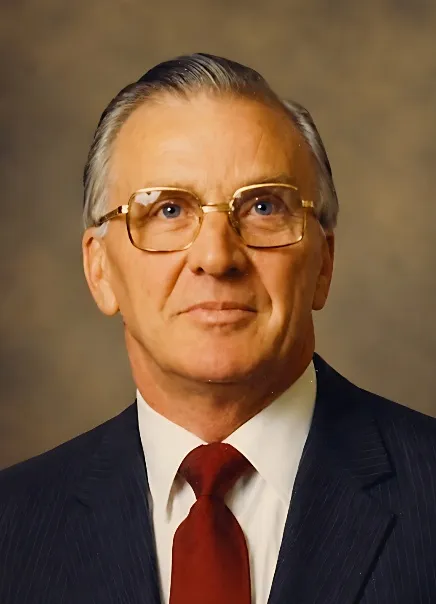
Figre 10 David Brown
I wanted a system that could provide a low-temperature gas stream for any X-ray crystallographic apparatus such as a diffractometer or a camera. We paid the Clarendon workshop to make the first few Cryostreams (these were times when it was possible to go ahead with entrepreneurial activities like this without involvement of the university: had the current University regulations been in place then, I doubt if we would have gone as far as we did at such a critical time!). In 1986, a friend of mine, David Brown (Figure 9), visited us; he was the UK representative of the German X-ray company, Stoe & Cie GmbH, and we showed him our prototype system. About two weeks later, I received a letter from Paul Raithby in Cambridge (Figure 10), who, it turned out, was prepared to pay in advance.
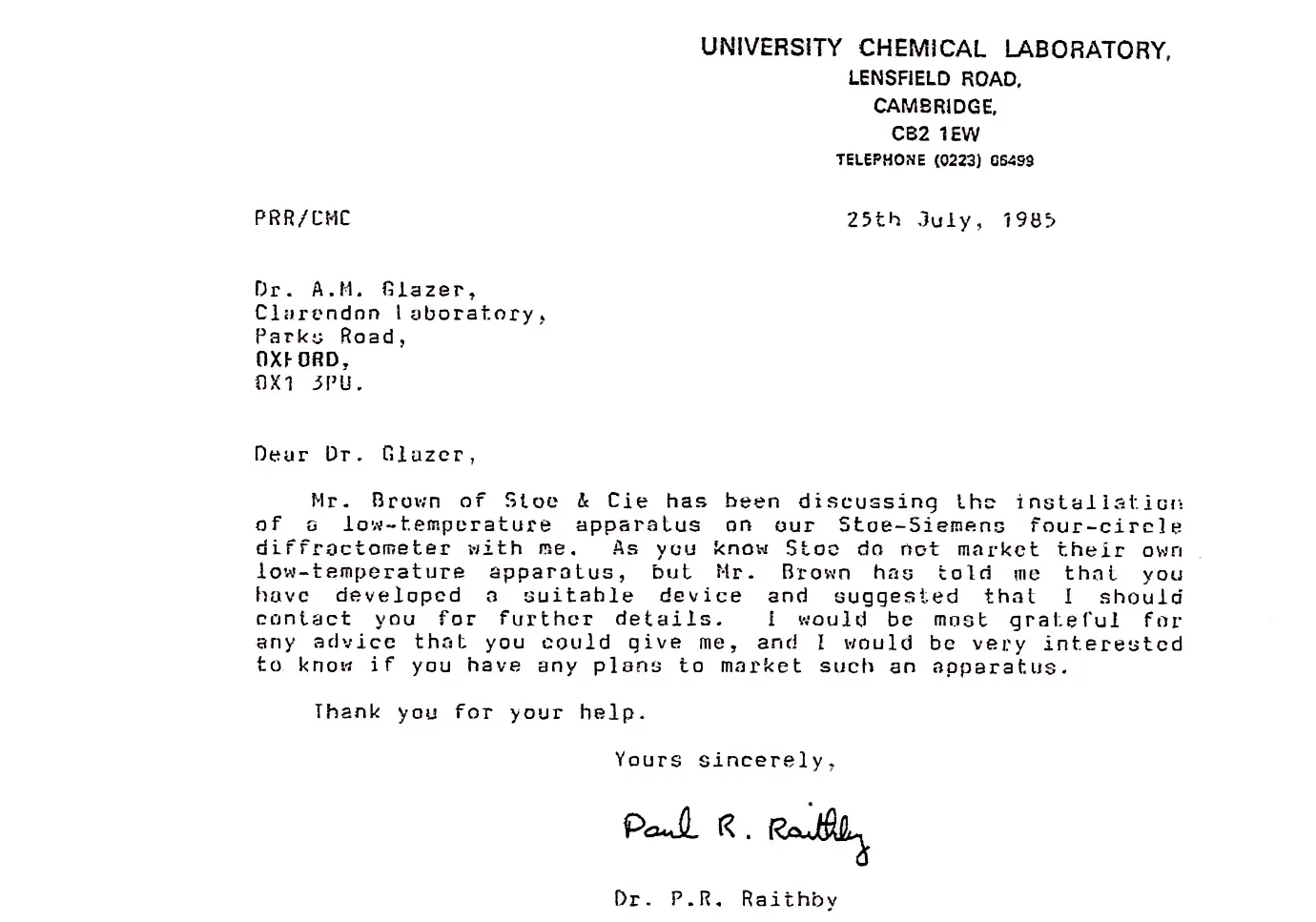
Figure 10 Letter from Paul Raithby
We initially set up a business partnership between John and me, later to become a limited company, for which John suggested the name Oxford Cryosystems. Eventually, he left the Clarendon to set up the business in Long Hanborough, to the north-west of Oxford, while I remained at the University. John focused on instrument design and building, while I handled the financial side, as well as marketing and promotion. David Brown became our official representative for future sales.
Paul was so delighted with the Cryostream (number 1) that he recommended it to Bill Clegg (number 2) in Newcastle, who then spread the word. The third Cryostream was ordered for Stoe in Germany. But we ran into a problem: BBC microcomputers were not supported in Germany. We solved this by putting the computer in a box and calling it a temperature controller! At no time did we need to take out a loan to support the business. The company was unique in that, since its inception, we never needed to borrow money because our customers always paid promptly.
We had to consider how best to protect our invention. Normally, one would consider filing a patent, but I reasoned that if a large company decided to copy our product, we would not be able to afford litigation. The company with the most money, along with its lawyers, usually wins. So, instead, we published the design8, making it difficult for anyone else to patent it.
Two important events occurred at the same time we started the business. First, the International Union of Crystallography Journals Commission announced that crystal structure determinations should, wherever possible, be carried out at low temperature because this resulted in better diffraction patterns and therefore more accurate structures. The other was the discovery by Hope et al.9 that if one flash-cools a protein crystal and then keeps it cold in the X-ray beam, it survives indefinitely (prior to this, there was a substantial problem doing protein crystallography in the fact that the crystals decay rapidly through ionisation damage, thus making it difficult to collect the huge amount of data necessary to solve protein structures). I think Elspeth Garman of the Biochemistry Department at Oxford was the first to use the Cryostream with flash-cooling a protein crystal. Once the word got out, our sales rocketed, as most of our customers were working in the protein field and wanted to do flash-cooling. A new subject called Cryocrystallography emerged, achieved mainly through the use of the Cryostream.
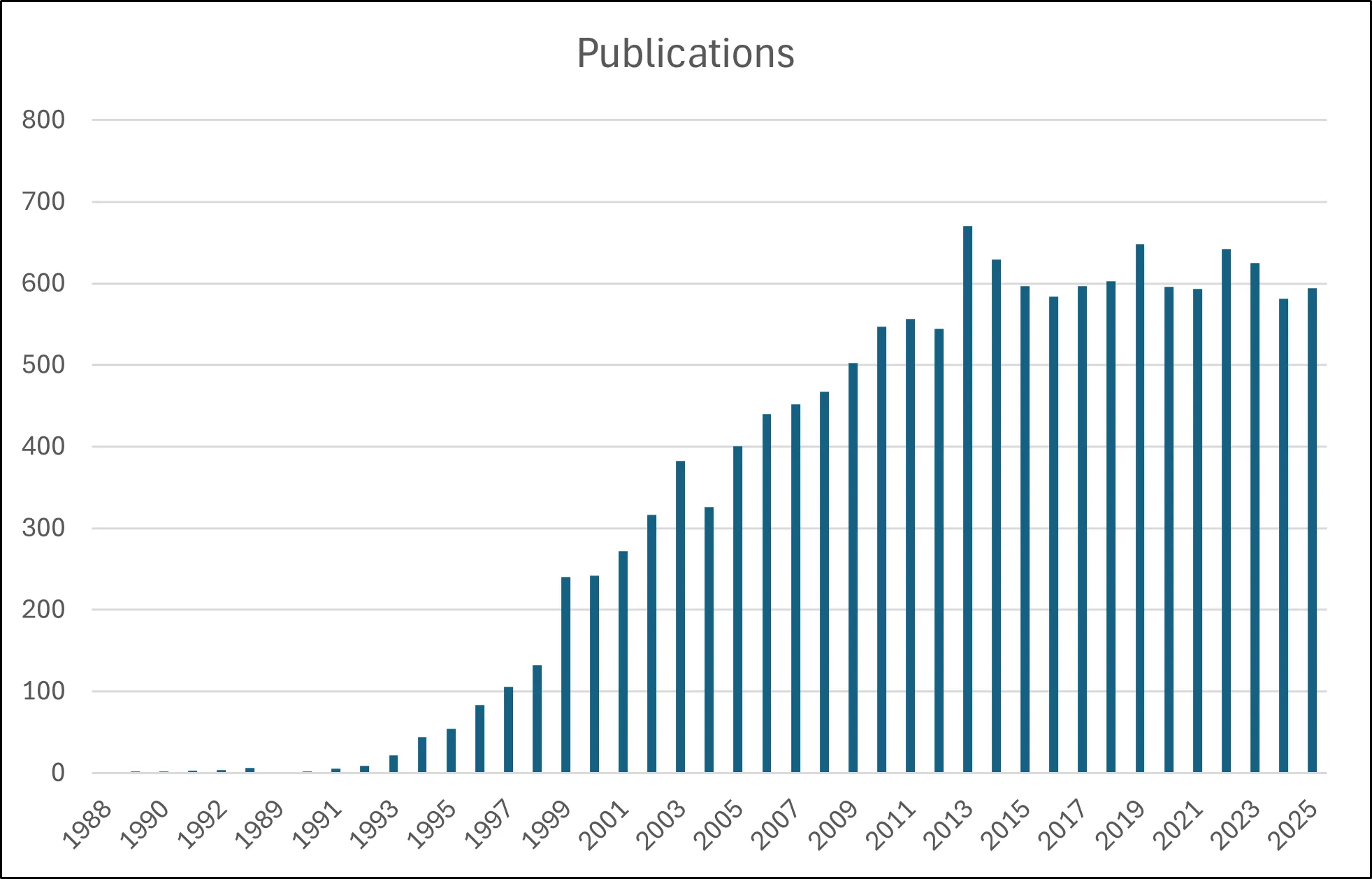
Figure 11 Plot of number of publications citing the word “Cryostream” per year.
In terms of impact (Figure 11), I think I can say with some confidence that the Cryostream revolutionised the field of X-ray crystallography, especially for diffractometer data collection, making it finally possible for the first time to routinely collect data at low temperature. For several years since, Oxford Cryosystems has had the world market share in open-stream cryogenic devices10. David Brown retired about 30 years ago. Both John and I retired from the company roughly 9 years ago.
Author Information
Mike Glazer
Emeritus Professor of Physics and Emeritus Fellow of Jesus College Oxford
Editor of the Newsletter of the IUCr
References
[1] Rudman, R. (1976). Low-temperature X-ray Diffraction. Plenum, New York.
[2] Rinne, F. (1917). Ber. Verh. Ges. Wiss, Math-Phys. 69, 57–62.
[3] Cioffi, P. P. & Taylor, L. S. (1922). J. Opt. Soc. Am. 6, 906.
[4] Rudman, R. & Godel, J. B. (1967). J. Appl. Cryst. 2, 109.
[5] Krueger, A. (1955). Acta Cryst. 8, 348.
[6] Kottke, T., Lagow, R. & Stalke, D. (1996). J. Appl. Cryst. 29, 465–468.
[7] Three-term control (PID) is a precise method for controlling temperature. The first term reduces heater power as a function of distance from the set point. Because this means no power at the set point, the temperature will drop below the set temperature. To counteract this, the integral term integrates past errors to make up the difference. The differential term measures fluctuations and dampens any temperature oscillations.
[8] Cosier, J. & Glazer, A. M. (1986). J. Appl. Cryst. 19, 105.
[9] Hope, H., Frolow, F., von Böhlen, K., Makowski, I., Kratky, C., Halfon, Y., Danz, H., Webster, P., Bartels, K. S., Wittmann, H. G. & Yonath, A. (1989). Acta Cryst. B45, 190–199.
[10] See https://oxcryo.com/about-us/
Related content