




Outreach
Engaging and Empowering Students in Structural Biology
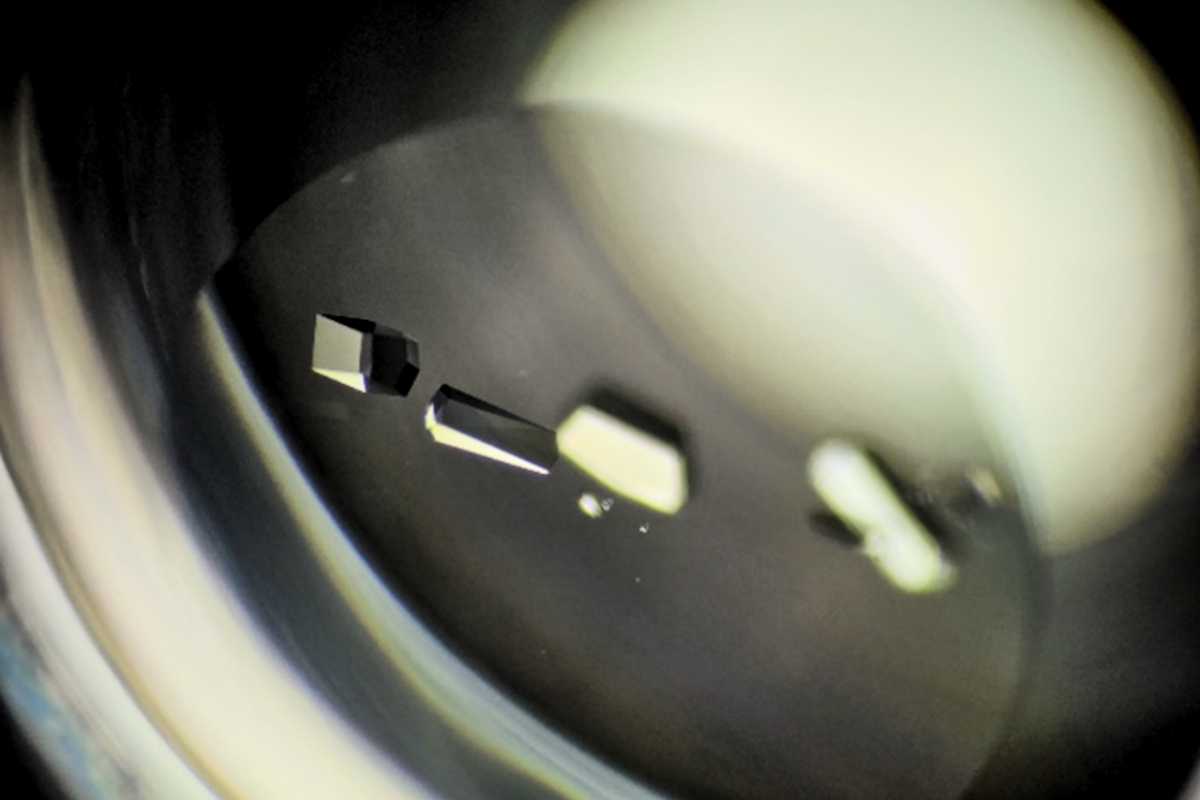
Lysozyme protein crystals grown by the student participants (August 2024).
The Structural Nucleic Acid Anticancer Research Society, Inc. (STARS) is a student-led non-profit organization dedicated to engaging and empowering students in crystal-growing, crystallography, and therapeutic research. STARS has organized over 12 events and programs, such as crystal-growing competitions, crystallography workshops and lecture series sessions, over the past four years with 380+ participants cumulatively. We are dedicated to providing valuable scientific and educational skill sets to K-12th and university students through STARS club branch activities and outreach programs tailored to the students' education background and scientific interests. Survey data show that students often enjoy the opportunity to work with research-grade equipment, network with professors, and learn about crystallography research in extracurricular settings. The skills, such as micropipetting, analyzing macromolecular data and learning how experiments can be set up to investigate therapeutic questions, not only can be important for any type of scientific research, which students may use for their own research endeavors, but also can show students a glimpse of what real research is like in a crystallography and therapeutic drug discovery setting for the treatment of diseases.
Over the last couple of years, STARS has been supported by the American Crystallographic Association (ACA), the ACA conference attendees, Hampton Research, Bruker, Dectris USA, and Eppendorf. Their support enabled our 2022 Cobb Country Crystal-Growing Competition Awards Ceremony, the 2024 Crystallography Workshops (five of them), and the 2025 Georgia Tech and 2025 Dodgen MS Crystallography Workshops.
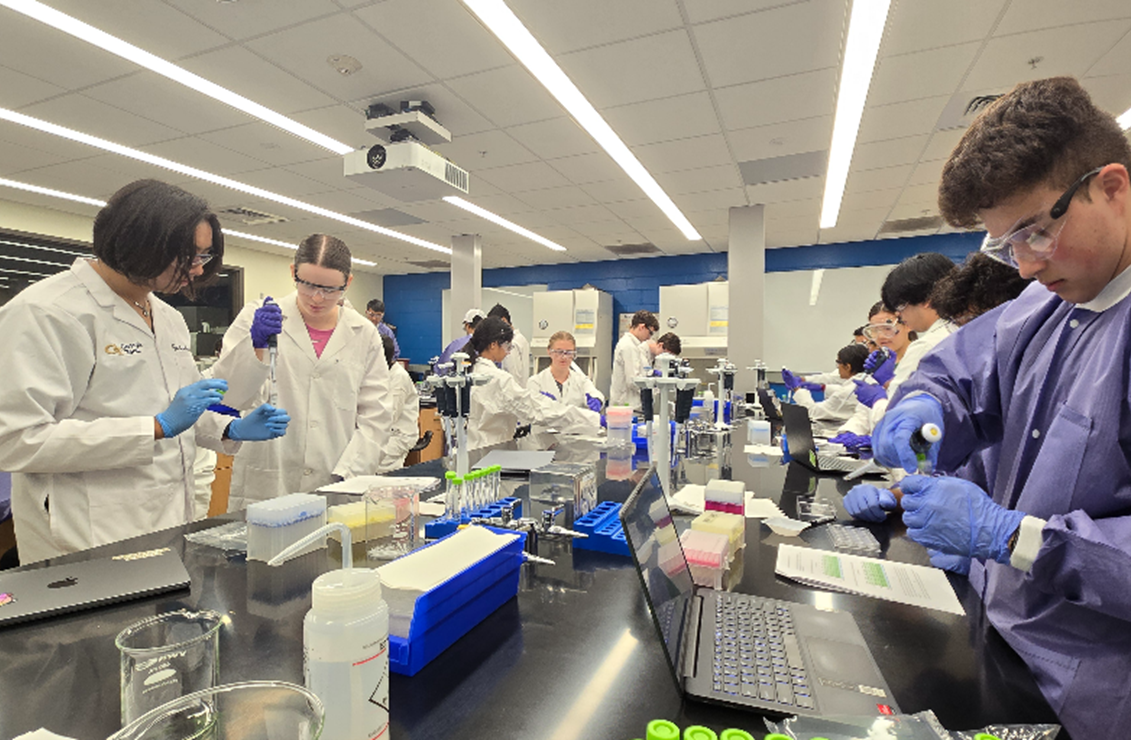
GT Crystallography Workshop (August 2024).
So far, STARS already has two STARS branches, where student leaders bring STARS programming and outreach to life. However, to truly provide all students crystal-growing and crystallography opportunities to learn valuable scientific skills and be inspired in research for the treatment of diseases, STARS is (1) streamlining its club programming and outreach activities with clear guidance and handouts, which will enable our programs to scale up; (2) fostering inter-STARS branch communications and collaborations to form a network of research-focused students through our annual STARS meetings; (3) enabling students more accessible opportunities to give presentations at national crystallographic conferences through the STARS Travel Grant; and (4) engaging more K-12th and undergraduate students in not only inorganic crystal growing but also protein crystallography through crystallography competitions of proteins (such as with lysozyme, the chicken egg white protein).
These programmes and ambitions that STARS has for all students are STARS’ true values and the purpose of its existence. We are looking for fellow student collaborators who are dedicated to crystallography and structural biology research and who would like to help build on our mission by starting STARS branches to reach students with these programmes in your local communities.
Crystallography is unique among fields of sciences and is a suitable vehicle to introduce students to research by inherently being important for therapeutic development for the treatment of diseases; inherently being relatively easier to teach, learn and apply; and simultaneously being very captivating and naturally beautiful to students.
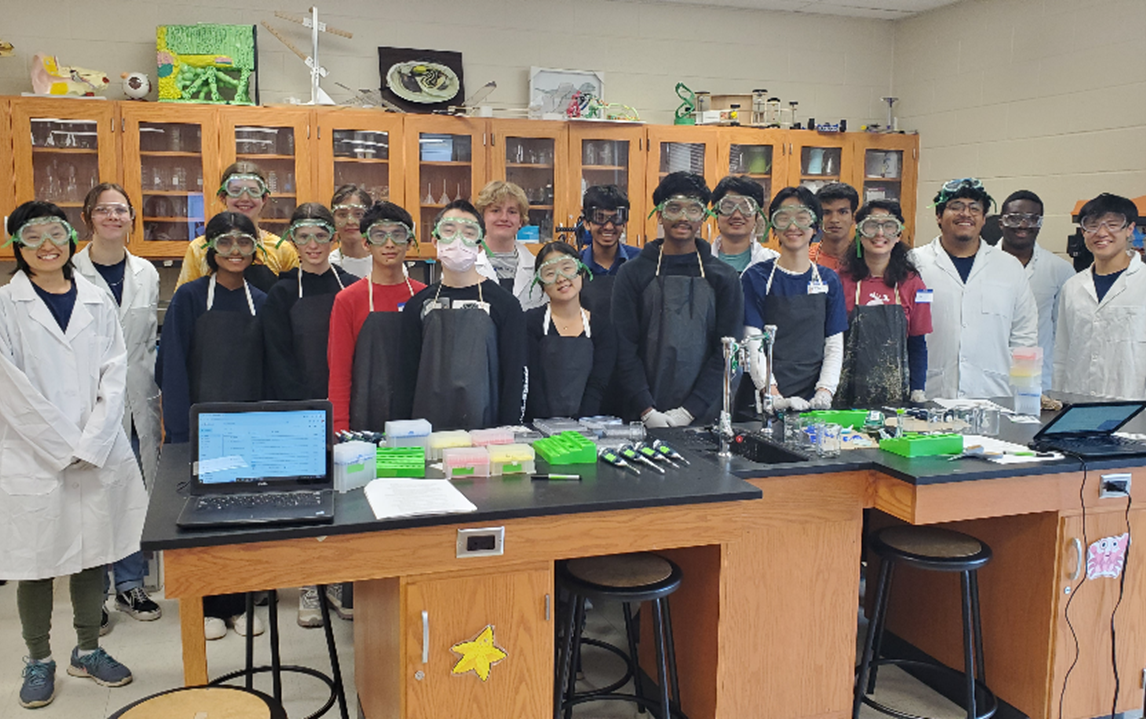
Walton HS Crystallography Workshop (May 2024).
If you may be interested in this endeavor of bringing the love of science and research to your local community through crystallography and structural biology while having program support provided by STARS, please contact us with your interest.
We are excited to work on this mission to strengthen the science and research understanding of all students everywhere, together.
Susanna Huang, Georgia Institute of Technology and Structural Nucleic Acid Anticancer Research Society
Communication: [email protected]
501(c)(3) tax-exempt status pending
https://www.starsanticancer.org
Email: [email protected]
Copyright © - Prior permission is not required to reproduce short quotations, tables and figures from this article, provided the original authors and source are cited.
The permanent URL for this article is https://www.iucr.org/news/newsletter/volume-33/number-3/engaging-and-empowering-students-in-structural-biology