The IUCr-UNESCO São Carlos OpenLab 2024 was held at the São Carlos Institute of Physics of the University of São Paulo, São Carlos, SP, Brazil from 2nd to 8th December 2024. The IUCr and UNESCO have been promoting cooperation and capacity building worldwide through partnerships with companies that manufacture X-ray diffraction equipment. The OpenLab initiative brings together operational crystallographic laboratories from around the world. This initiative began in 2014, during the International Year of Crystallography, and due to its success, the programme continued long after the international year. An event like OpenLab combines crystallography lectures with hands-on tutorials on selected topics. After a suspension due to the pandemic, IUCr recently re-launched the OpenLab initiative. This event, together with the installation of a new state-of-the-art diffractometer at the Institute of Physics of São Carlos – USP (IFSC-USP), inspired our group to organize a new edition of this international school series in São Carlos, Brazil, with the aim of training the next generation of Latin American scientists. Thus, they had access to this equipment to maximize use of the open-source tool that is installed at the Multiuser Structural Crystallography Laboratory (LaMuCrEs, https://www.ifsc.usp.br/lamucres/) at IFSC-USP. A large number of young postgraduate students in Chemistry, Pharmacy, Physics, Geology and/or Solid State Sciences benefited from this international crystallography school being organized in this region and from having access to this modern X-ray diffraction facility. Thus, the combination of theoretical and practical classes on crystallography and refinement of crystal structures in an intensive and high-level school allowed the participants to acquire practical experience and the necessary theoretical basis on the determination of crystal structures by single-crystal X-ray diffraction, which will be useful for the later academic development of these young scientists. Finally, the school helped to promote crystallography among young researchers in Latin America. Detailed information about the event can be found on this website: https://www.ifsc.usp.br/lamucres/assets/pages/openlab2024.html.
The school was organized by recognized members of the Latin American Crystallography Association. This was the 5th edition of the school series organized by the same committee and was based on the last edition held in person in 2018 in Montevideo, Uruguay. It was based on the experience of organizing two successful events, the two editions of the IUCr-UNESCO Bruker OpenLabs, in 2014 and 2016.
The event was supported by the University of São Paulo, IUCr, the Latin American Crystallographic Association, the Brazilian Crystallography Association, the Uruguayan Crystallography Network and the Argentine Crystallography Association. Several institutions provided financial support for the execution of OpenLab 2024, which contributed to the success of this event. They include: the São Paulo Research Foundation – FAPESP, IUCr and IFSC/USP. The support of the diffractometer manufacturer, Rigaku Inc., was also very important, including lectures and practical training on the control software and the use of associated crystallographic tools, led by personnel appointed by the company, as well as financial support for the organization of the school. All of these made it possible for OpenLab 2024 to be a success.
For this edition of OpenLab, Brazil was selected as the host country because its geographical location allows it to cover the central part of South American countries that could not be covered in previous editions due to high travel costs. The main objective was to offer undergraduate and graduate students, as well as young scientists and professionals, the opportunity to learn or improve their knowledge of crystallography with a focus on small molecules. In this way, the focus was on training a new generation of crystallographers in Latin America, making it possible to take advantage of the existing infrastructure, thus overcoming the lack of trained specialists that we currently have in the region. Many single crystal X-ray diffraction laboratories in Latin America can offer equipment time for data collection. However, the workload of crystallographers prevents timely refinement or even acceptance of crystals for measurement. This school thus represented one of the first steps towards students being able to collect their own data and analyze their structures for future publications. The event also represented an excellent opportunity for participants to interact with a group of crystallography experts with diverse backgrounds, which led to fruitful scientific discussions about their different areas of research. One of the objectives was to encourage participants to learn by working on something related to their own research. Therefore, evening practical sessions were held to ensure that all participants who brought samples had the opportunity to be part of the entire experimental process, from crystal assembly to data validation, with the opportunity to complete the school with a potentially publishable crystal structure.
The event was attended by 64 participants, from different nationalities. The countries with the higher number of attendees were Brazil, Argentina and Uruguay, as well as countries such as Italy, Mexico, Colombia and Bolivia (see Fig. 1), with 20 of the participants being female. The condensed format of the school included over 40 hours of theoretical and practical classes in addition to intensive and extensive laboratory practices, which ran simultaneously to the school from 7:00am to 10:00pm. The students had full access to the laboratory during the whole OpenLab week with the teacher’s full time spent giving assistance to the students to mount, measure, resolve, refine and analyze their structures. This allowed all participants to analyze their own samples using state-of-the-art equipment before, during, and after class. These data were presented as part of the final evaluation on the last day of the event, where the students presented their crystal structures as well as the analysis of them to the audience. The IUCr-UNESCO São Carlos OpenLab 2024 had the participation of 11 teachers from six different counties.
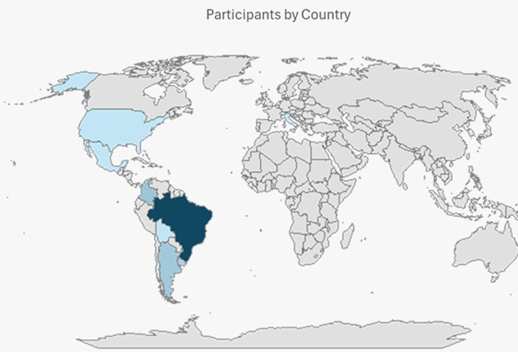 Figure 1. Seven Latin American countries were represented by students participating in the IUCr-UNESCO São Carlos OpenLab 2024.
The OpenLab activities began at 9:00 on Monday, December 2nd, with the opening ceremony, with the director of the São Carlos Institute of Physics as well as the chair of the event welcoming the students and teachers. After that, the event continued with lectures given by Professor Michele Zema, Department of Earth and Geo-environmental Sciences, Università degli Studi di Bari Aldo Moro, Italy, about the history of crystallography and the IUCr, followed by a general lecture on the different steps involved in the single crystal structure determination process. After lunch, Professor Florencia Di Salvo, DQIAQF/INQUIMAE-CONICET, Universidad de Buenos Aires, Buenos Aires, Argentina, talked about the crystallization process and crystal growth. Subsequently, Professor Leopoldo Suescun, Faculty of Chemistry, Universidad de la República, Montevideo, Uruguay, gave an introduction to symmetry in crystals. During the last two hours of the day the students were divided into two groups. One of the groups went to the laboratory with Dr Pierre Le Magueres, Rigaku, to get an introduction on the diffractometer and the data collection process, while the other group remained in the auditorium with Professor Suescun working on practice in symmetry.
At the end of the day, laboratory data collection activities began with the help of Dr Pierre Le Magueres beginning the practical classes that extended late into the evening, finally concluding the day around 10.00pm. Fig. 2 shows the professors who taught classes on the first day of São Carlos OpenLab 2024.
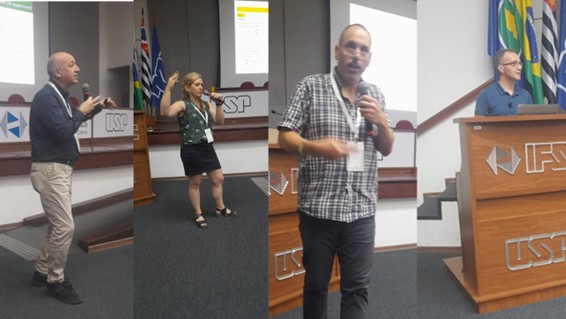 Figure 2. Teachers who taught classes on the first day of the São Carlos OpenLab 2024.
The practical classes at the laboratory were attended by experienced researchers to assist the students in their structural analyses. Thus, the laboratory was fully operational during the school days, including during the afternoon free time on Thursday, December 5th, which was used by the vast majority of students to continue working on their structural analyses and perform new data collections (see Fig. 3). This allowed the in situ collection of more than 40 data sets in 5 days (8 data sets per day!!), which added to those collected before the school for the students that arrived at the laboratory before the school, allowing each student to work on their own research project. It is important to mention that a large part of the school involved the refinement of crystal structures using single crystal X-ray diffraction data. This topic was covered in two parallel sections. One of them was focused on an introductory approach, while the other covered advanced topics, such as complex structural disorder and twins.
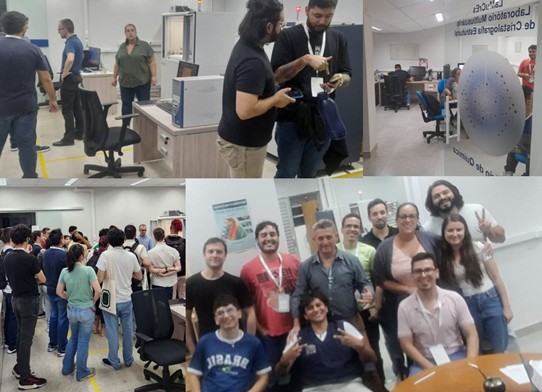 Figure 3. Students participating in practical classes at the Multiuser Laboratory of Structural Crystallography (LaMuCrEs, IFSC/USP).
The activities on Tuesday, December 3rd, began at 8:30am with Professor Suescun speaking about space groups and the International Tables for Crystallography. After that, Professor Di Slavo spoke about X-ray diffraction, reciprocal space and the Ewald Sphere. Following the lunch break, Professor Zema taught about structure factors and space group determination. On Tuesday afternoon, a poster session was held in which students presented the results of their respective research projects (Fig. 4).
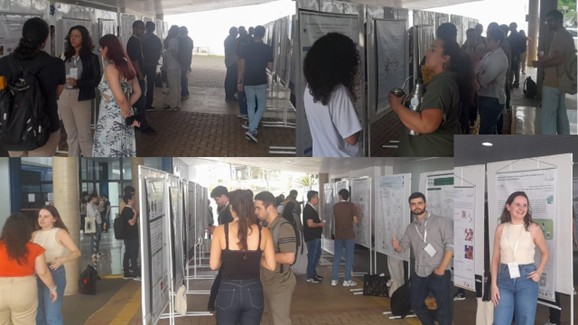 Figure 4. Poster session held on Tuesday, December 3rd, 2024.
The posters were awarded with two prizes, one to Marcelo Francis Fernandes Alecrim for the Best Poster Using CCDC Tools sponsored by the CCDC and the other to Matheus Silva de Menezes for the Best Structural Chemistry Poster sponsored by the IUCr Journals (Fig. 5). The poster prizes were delivered at the closing ceremony on Sunday 8th December. After the posters session there was a practical session on data processing on the diffractometer.
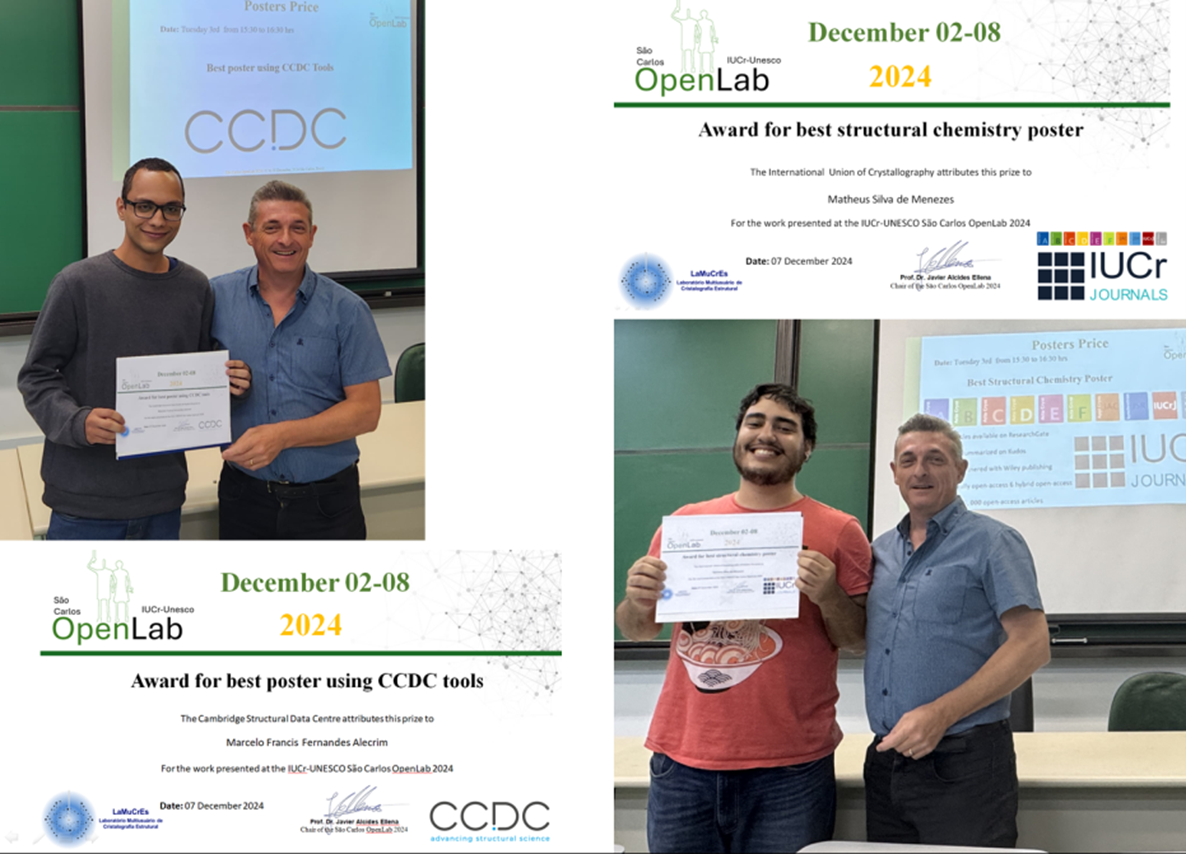 Figure 5. Best poster award winners: Marcelo Francis Fernandes Alecrim for the Best Poster Using CCDC Tools and Matheus Silva de Menezes for the Best Structural Chemistry Poster.
On Wednesday 4th December, the school continued with Professor Suescun teaching space group determination. After that, Professor Vojtech Jancik, from Instituto de Química, Universidad Nacional Autónoma de México, México, explained the phase problem and structure determination methods, ending with a practical session using SHELX. Before the afternoon coffee break, Dr Pedro Santiago from the IFSC-USP showed the students the OLEX2 system. At the end of the day, Dr Le Magueres showed how to carry out data reduction, scaling and space group determination using CrysAlisPro. As usual, the evening was used by the students to access the laboratory until 10:00pm for data collection processing and analysis.
On Thursday 5th December the day started at 8:30am with Professor Jancik teaching about structural refinement and twining. The afternoon was free; however, as previously mentioned, the free time was used by most students to continue working on their structural analyses and perform new data collections. The teaching activities on Friday 6th December started with a theoretical/practical session by Natalia Alvarez Failache, Facultad de Química, Universidad de la República, Montevideo, Uruguay, and Camila Batista, IFSC-USP, about the use of Hirshfeld surfaces. After that, Professor Jancik gave a practical session on disorder refinement in SHELXL. The afternoon was dedicated to a theoretical/practical session about the CSD. As usual, the evening was used by the students to go to the laboratory until 10:00pm for data collection processing and analysis.
The classes on Saturday, December 7, were dedicated to the study of special topics such as charge density analysis and refinement methods involving non-spherical atoms (HAR), with classes taught by Dr Camila Batista. After that, Professor Di Salvo spoke about CIF construction and publication preparation, followed by a session on Publication Standards for IUCr Journals given by the Acta Crystallographica E co-editors Natalia Alvarez and Javier Ellena.
At this point, it is important to mention the recent commissioning of two crystallographic beamlines at the Brazilian synchrotron facility SIRIUS (MANACÁ and EMA) becoming essential in the training of the new generation of Brazilian and Latin American crystallographers, improving the capabilities of these professionals to support the rapid advances in Brazilian science. To take advantage of this opportunity, the school also addressed the topic of synchrotron radiation with the participation of experts from that institution. Thus, after lunch we had the participation of Dr Andrey do Nascimento from the MANACÁ beamline and Dra. Danusa do Carmo from the Laboratório de Condições Termodinâmicas Extremas, EMA beamline, both from the SIRIUS Brazilian synchrotron facility, CNPEM, São Paulo, Brazil (see Fig. 6).
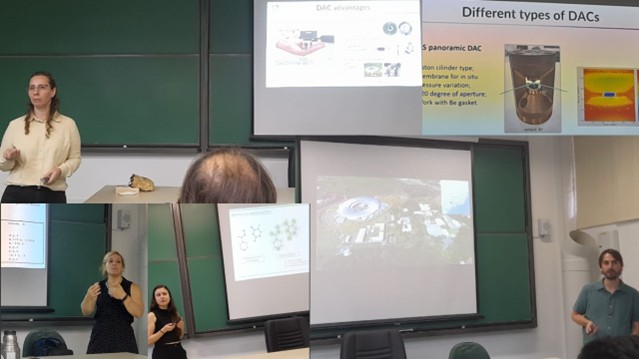 Figure 6. Classes presented on Saturday, December 7th.
The morning of the last day, Sunday, December 8, was dedicated to oral presentations by the students to demonstrate and discuss the results obtained during the event. In this case, each student discussed their own crystallographic results. The presentations included discussion on data collection and analysis of X-ray diffraction data, as well as the corresponding structural analysis (see Fig. 7).
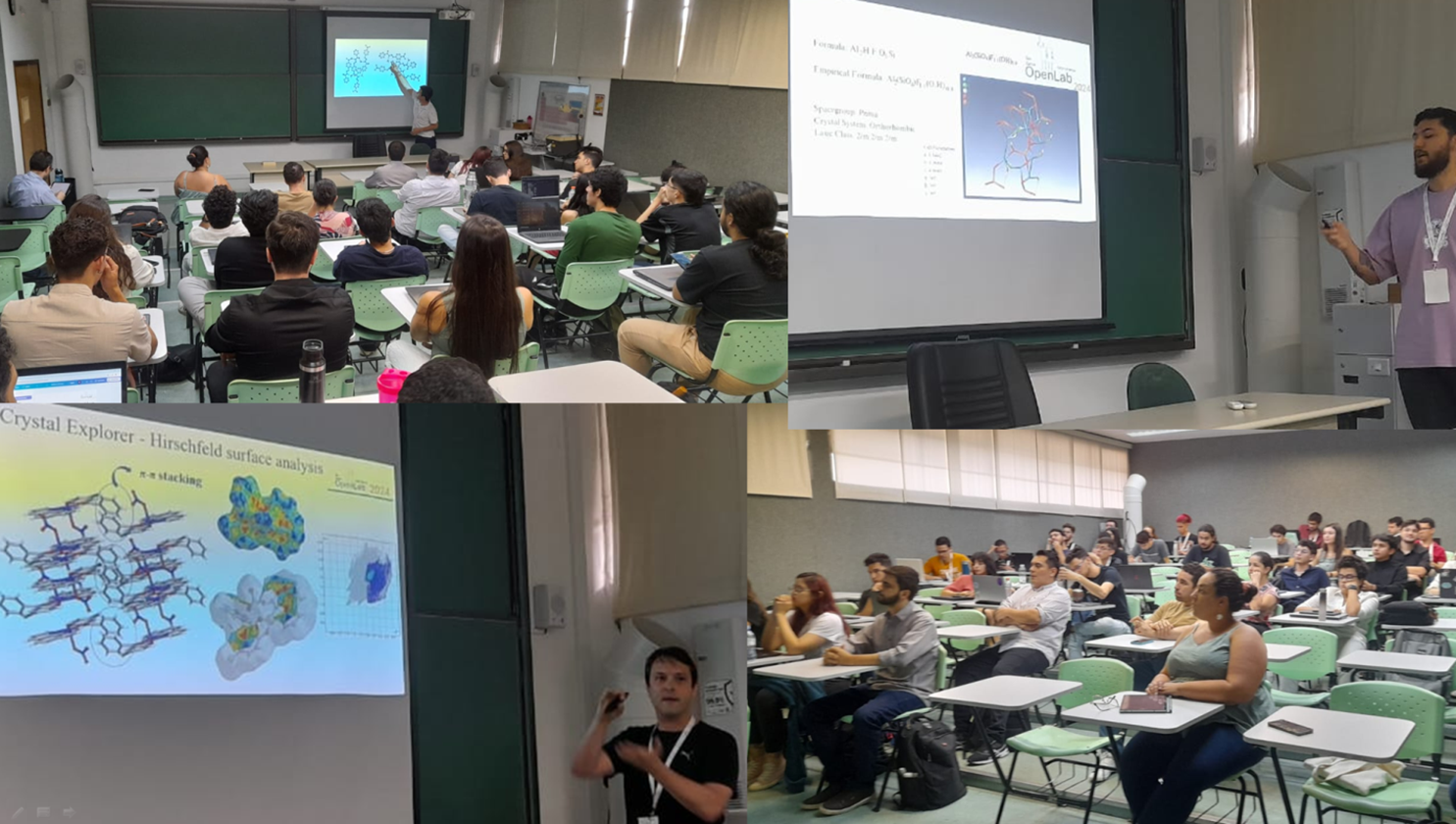 Figure 7. Student presentations on Sunday morning.
In the afternoon of the same day, a written exam was administered consisting of 15 questions related to the different topics covered during the event. The OpenLab had its closing ceremony shortly after, where the awards for the posters were presented. The official photo of the IUCr-UNESCO São Carlos OpenLab 2024 is shown in Fig. 8.
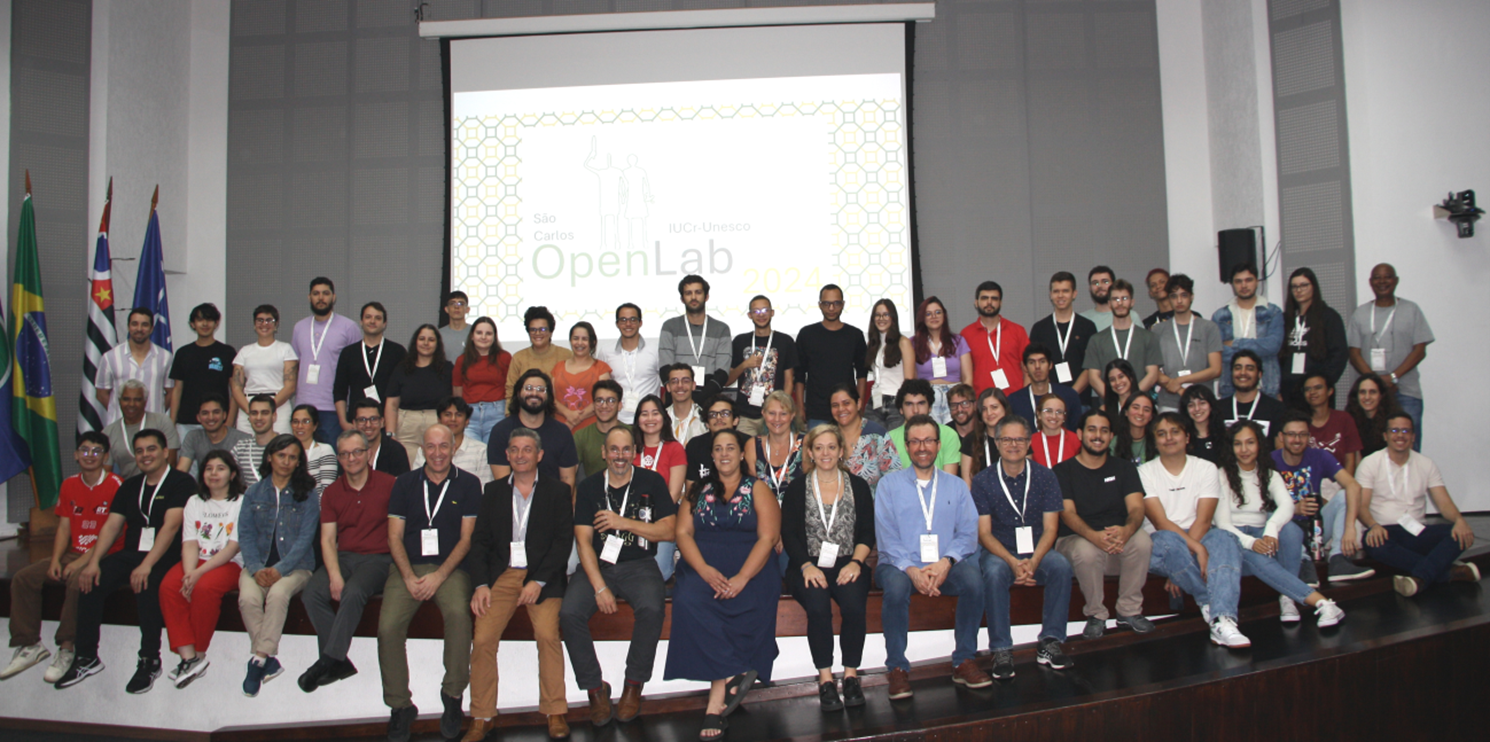 Figure 8. Official photo of the IUCr-UNESCO São Carlos OpenLab 2024.
14 April 2025
Copyright © - Prior permission is not required to reproduce short quotations, tables and figures from this article, provided the original authors and source are cited.